Table of Contents
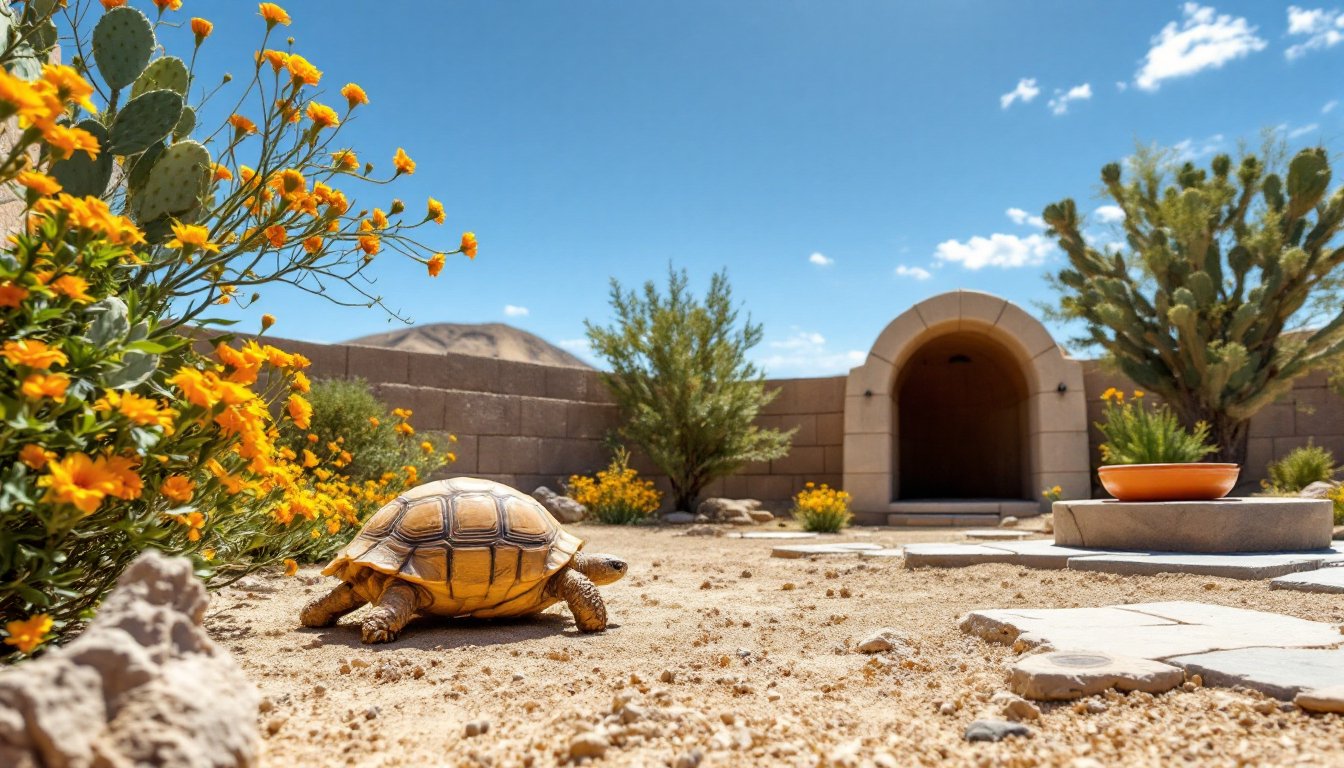
ToggleBuilding a proper desert tortoise habitat isn’t just about tossing some rocks and cacti in a corner of the yard. These animals are protected in most states, and they have specific needs that mimic their native environment, dry, sunny terrain with shelter, native plants, and secure boundaries. Whether you’re caring for a captive-bred pet or creating a refuge for a rehabilitated tortoise, the enclosure must meet both biological and legal standards. This guide walks through the essential elements: siting, sizing, shelter construction, plant selection, fencing, and maintenance features that keep your tortoise healthy and safe year-round.
Key Takeaways
- A proper backyard desert tortoise habitat requires at least 200 square feet for one adult with full sun exposure for 8–10 hours daily, mimicking the Mojave and Sonoran desert environments.
- Shelter is critical—desert tortoises spend up to 95% of their time underground, so your enclosure must include at least two hides, such as a half-buried plywood box with foam insulation.
- Install 18-inch above-ground and 12-inch below-ground solid fencing with an L-footer trench to prevent escape; avoid chain-link that can injure shells.
- Use substrate of 6–12 inches of compacted native soil, maintain 20–40% relative humidity, and slope the enclosure for proper drainage to prevent shell rot and respiratory infections.
- Landscape with native desert plants like desert marigold and prickly pear cactus while avoiding toxic species such as oleander and azalea; provide a shallow water dish and elevated feeding stations.
- Check state wildlife regulations before building—most states require permits to keep desert tortoises, and wild tortoise relocation is federally illegal under the Endangered Species Act.
Understanding Desert Tortoise Habitat Requirements
Desert tortoises (Gopherus agassizii) are native to the Mojave and Sonoran deserts, where they experience temperature extremes, low humidity, and sparse vegetation. Replicating these conditions is critical. They need daytime temperatures between 80–95°F with basking spots up to 100°F, and nighttime drops to 60–70°F. Without proper thermoregulation, tortoises develop respiratory infections or metabolic issues.
Substrate should be 6–12 inches of compacted native soil or sandy loam, deep enough for digging but stable enough to prevent collapse. Avoid topsoil mixes with high organic content: they retain moisture and promote fungal growth. In areas with clay-heavy soil, you’ll need to excavate and backfill with appropriate material.
Humidity is another factor. Desert tortoises thrive in 20–40% relative humidity. Overwatering plants or poor drainage creates damp conditions that lead to shell rot. Always slope the enclosure away from shelters and ensure water drains freely.
Legal note: Many states require permits to keep desert tortoises. Check with your state wildlife agency before building. Wild tortoises are federally protected under the Endangered Species Act, and relocation without authorization is illegal.
Choosing the Right Location and Size for Your Tortoise Enclosure
Site selection determines whether your habitat succeeds or becomes a maintenance headache. Desert tortoises need full sun exposure for at least 8–10 hours daily during active months (March through October). Avoid shaded areas under trees or near structures that block morning light. Southern exposure is ideal in most regions.
Minimum enclosure size for one adult tortoise is 200 square feet (roughly 10′ × 20′), with an additional 100 square feet per additional animal. Bigger is always better, cramped spaces lead to stress, aggression, and pacing behavior. For reference, many large backyard ideas can accommodate multiple tortoises comfortably if zoned correctly.
Avoid low-lying areas where water pools after rain. Even a few hours of standing water can chill a tortoise and trigger illness. If your yard naturally slopes, position the enclosure on higher ground or build up the perimeter with compacted fill.
Proximity to utilities matters, too. You’ll need access for occasional hose watering and possibly electrical if you’re installing a heated shelter for winter (depending on your climate zone). Keep the enclosure at least 10 feet from fences shared with neighbors to prevent disturbance from dogs or lawn equipment.
Creating Natural Shelter and Burrow Options
Shelter is non-negotiable. In the wild, desert tortoises spend up to 95% of their time underground or in burrows. Your enclosure needs at least two hides: one for sleeping and thermoregulation, and one for emergency retreat during extreme weather.
The simplest DIY option is a half-buried plywood box lined with rigid foam insulation. Cut a hinged lid for access and an entrance hole sized 1.5× the tortoise’s shell width. Bury the box 6–12 inches deep with the entrance facing south or southeast. Backfill around it with native soil and cap with a layer of flat stones for thermal mass. This setup moderates temperature swings and mimics natural burrow conditions.
Alternatively, use stacked concrete blocks or large diameter culvert pipe (18–24″ diameter) set on a slight incline for drainage. Avoid untreated lumber in direct soil contact, it rots within a few years. Pressure-treated wood is chemically safe once cured, but many builders prefer concrete or recycled plastic lumber for longevity.
If your region sees winter lows below 50°F, consider a heated shelter option using a low-wattage ceramic heat emitter on a thermostat. Never use heat lamps: they dry out the air excessively and pose fire risk if knocked over.
Selecting Tortoise-Safe Plants and Landscaping
Desert tortoises are herbivores that graze on native grasses, wildflowers, and succulents. Landscaping with appropriate forage plants reduces your feeding workload and provides enrichment. Prioritize native species adapted to your local desert zone.
Good choices include desert marigold (Baileya multiradiata), globe mallow (Sphaeralcea ambigua), desert dandelion (Malacothrix glabrata), and various grasses like buffelgrass or blue grama. Succulents such as prickly pear cactus (Opuntia spp.) offer both food and visual interest. Remove spines from pads before planting if you’re concerned about younger tortoises.
Avoid toxic plants: oleander, azalea, lantana, and many common ornamentals are poisonous. When in doubt, cross-reference with reputable plant databases or consult a herpetological society.
For creative planter arrangements around the enclosure perimeter, use native shrubs like creosote or brittlebush. These provide windbreaks and additional shade without invasive root systems. Cluster plants in naturalistic drifts rather than rows, it looks better and gives tortoises varied microclimates to explore.
Mulch sparingly. A thin layer of decomposed granite or small gravel is fine for pathways, but avoid wood chips, which retain moisture and attract insects.
Installing Proper Fencing and Security Features
Desert tortoises are surprisingly strong and determined escapers. A poorly designed fence is an invitation to disaster, tortoises can dig under, climb over, or push through weak barriers.
Use solid vertical barriers at least 18 inches above ground and 12 inches below ground. Concrete block, poured concrete, or 1/2-inch exterior plywood attached to treated 4×4 posts work well. Bury the bottom edge in an L-footer trench: dig down 12 inches, then angle outward another 12 inches before backfilling. This prevents digging out.
Avoid chain-link or wire mesh fencing. Tortoises will try to push through, damaging their shells and beaks. If budget constraints require wire, use hardware cloth (1/2″ galvanized mesh) backed by a solid skirt buried at grade.
Predator protection is equally important. Coyotes, ravens, and domestic dogs pose serious threats. Top the enclosure with 1″ welded wire mesh or poultry netting stretched over a simple 2×4 frame. This still allows sunlight but blocks aerial predators. In rural areas, consider a double-fence design, a secondary 4-foot perimeter of field fencing 3–4 feet outside the primary wall keeps larger animals from digging at the base.
Gate access is often overlooked. Install a locking gate wide enough to wheel in a wheelbarrow for cleaning and landscaping. Use a spring-loaded latch or padlock, tortoises can’t open these, but curious kids and pets might try. Projects like inexpensive hardscape additions can incorporate gates and pathways without breaking budget.
Adding Water Features and Feeding Stations
Desert tortoises get most of their moisture from food, but a shallow water dish is essential. Use a heavy ceramic or concrete saucer 1–2 inches deep and wide enough for the tortoise to walk into. Place it in partial shade to reduce evaporation and algae growth. Change water every 2–3 days, or daily in hot weather.
Some builders design water features as part of the landscape, but avoid deep ponds or fountains, tortoises can drown. If you want a decorative element, use a small bubbler or drip system that trickles into the drinking dish, then drains into surrounding plants.
Feeding stations should be elevated slightly off the ground to keep food clean. A flat flagstone or paver tile works perfectly. Scatter fresh greens, vegetables, and forage items here rather than directly on soil. Remove uneaten food within a few hours to prevent attracting ants or spoiling.
Many budget-conscious setups use simple materials like salvaged bricks or stacked stone for feeding platforms. The key is stability, tortoises will climb on anything, and wobbly surfaces can tip and cause injury.
Supplemental feeding is often necessary, especially in newly planted enclosures. Offer a mix of dark leafy greens (collards, turnip greens), squash, and occasional cactus pads. Dust food with a calcium supplement (no phosphorus) once weekly. Avoid high-protein foods like beans, commercial tortoise pellets with grain fillers, or any animal products.
Conclusion
Building a desert tortoise habitat is a commitment, not just in construction but in ongoing care and monitoring. Done right, it provides a safe, enriching environment that meets the animal’s biological needs and complies with legal requirements. Start with proper siting and sizing, invest in solid shelter and secure fencing, and landscape with native, tortoise-safe plants. The result is a functional outdoor sanctuary that supports long-term health and natural behavior.