Table of Contents
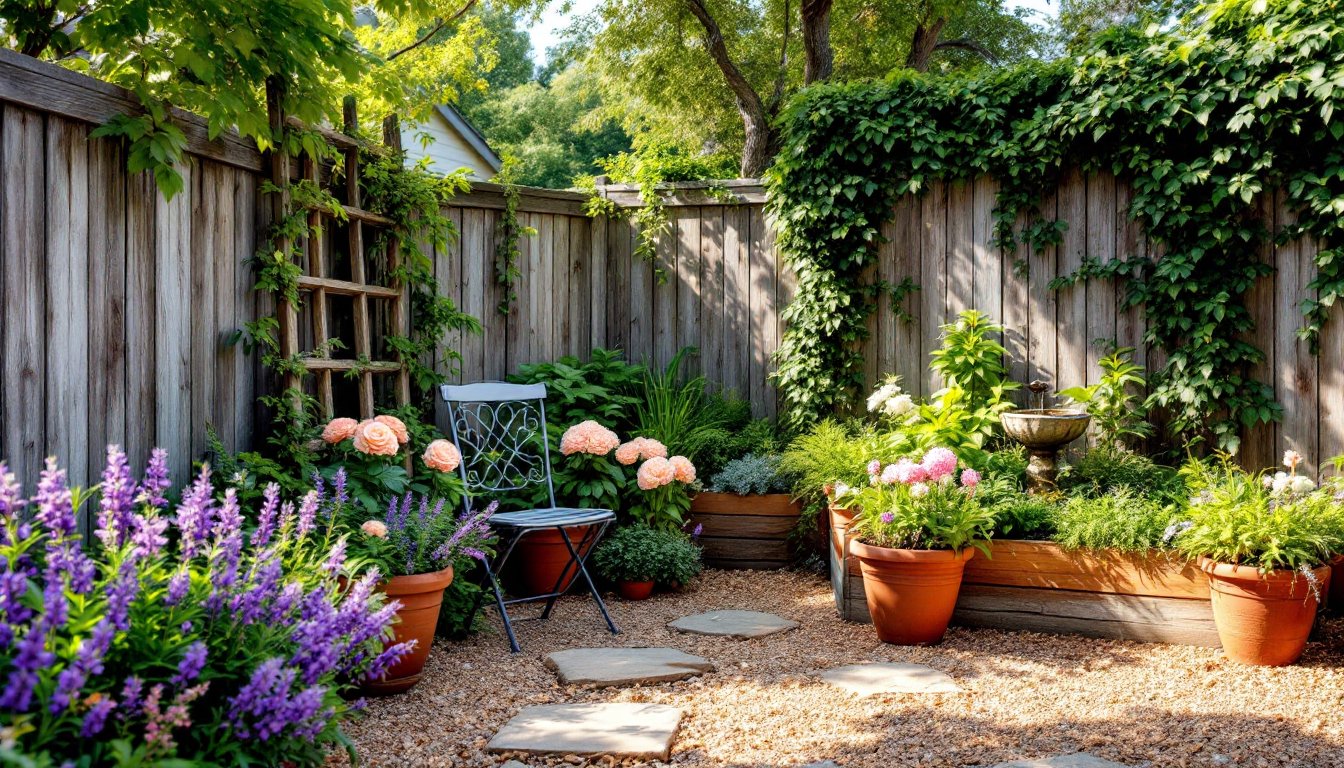
ToggleLosing a pet leaves a hole that no amount of time fully closes. Creating a memorial garden transforms grief into something tangible, a dedicated space where memories live on among blooming perennials and carefully chosen stones. This isn’t about elaborate landscaping or expensive installations. A meaningful pet memorial garden can be as simple as a corner bed with native plants and a personalized marker, or as involved as a multi-season sanctuary with seating and water features. The goal is to build a living tribute that feels right for the companion who left paw prints on your heart.
Key Takeaways
- A backyard pet memorial garden can range from a simple corner bed with native plants and a personalized marker to an elaborate multi-season sanctuary with seating and water features, making it accessible regardless of budget.
- Choose a location with at least six hours of direct sunlight, good drainage, accessibility for maintenance, and proximity to water sources while always calling 811 to verify underground utilities before digging.
- Incorporate hardscape elements like stone edging, pathways, and a memorial marker positioned at eye level, combined with low-maintenance perennials like lavender, daylilies, and native plants that honor your pet’s memory year-round.
- Avoid planting lilies, azaleas, oleander, and foxglove if other household pets can access the memorial garden, and instead choose pet-safe options like roses, sunflowers, and ornamental grasses for seasonal color.
- Personalize the space with meaningful touches such as your pet’s collar, weather-resistant photo boxes, solar lighting, and wind chimes, then maintain the garden through seasonal tasks like deadheading, dividing perennials, and refreshing plantings annually.
Choosing the Perfect Location for Your Pet Memorial Garden
The best memorial garden location balances visibility with privacy. Homeowners often pick spots where their pet spent time, a favorite sunny patch, the corner where they napped, or near the back porch where they waited for dinner. Assess sunlight exposure throughout the day, as this determines plant viability. Most flowering perennials need at least six hours of direct sun, while shade-tolerant groundcovers work for areas under tree canopies.
Consider accessibility for maintenance. A garden tucked in a far corner sounds peaceful until weeding or watering requires a trek across the yard. Choose a location within 50 feet of a water source if possible, especially if installing plantings that need regular irrigation during establishment.
Check for underground utilities before any digging. Call 811 for a free utility locate, this applies even for small memorial projects where you’re setting stones or installing a small fountain. Hitting a gas line or irrigation system turns a tribute into a costly repair.
The site should offer natural drainage. Avoid low spots where water pools after rain, as standing water kills most plants and creates mosquito breeding grounds. If the only suitable location has drainage issues, consider building a raised bed with 6-8 inches of soil mix above grade to improve conditions.
Essential Design Elements for a Meaningful Memorial Space
A thoughtful memorial garden combines hardscape structure with softscape plantings. Start by defining the garden’s footprint with edging materials, natural stone, metal landscape edging, or brick pavers create clean boundaries and prevent grass encroachment. For a 4×6-foot memorial bed, figure on 20 linear feet of edging material.
Incorporate seating if space allows. A simple curved garden bench or flat stone slab provides a place to sit and reflect. Position seating to face the memorial marker or the most visually appealing plantings. Cedar and teak benches resist weather naturally: pressure-treated pine works if budget is tight but needs sealing every two years.
Pathways improve access and add structure. Decomposed granite or pea gravel (3/8-inch size) both drain well and cost $40-60 per ton delivered in most regions. Install landscape fabric underneath to suppress weeds, skip the plastic sheeting, which prevents drainage. For a more permanent path, flagstone or stepping stones set in sand create a stable walking surface.
Personalized Markers and Memorial Stones
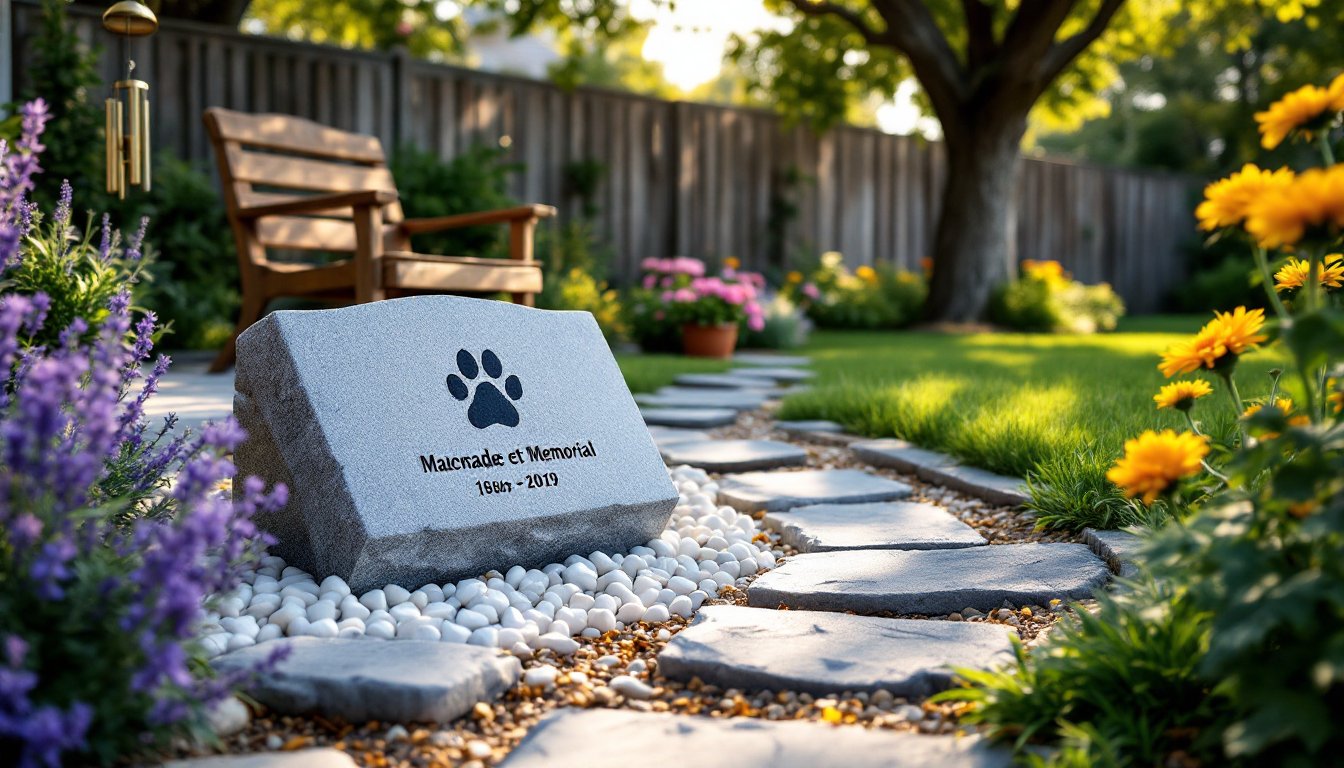
Engraved memorial stones form the garden’s focal point. Natural stone markers like granite, slate, or river rock can be professionally engraved with your pet’s name, dates, and a short message. Expect to pay $75-200 depending on stone size and engraving complexity. Many monument companies that produce headstones also handle pet memorials and can match fonts or add paw print designs.
DIY options include paint markers or concrete stepping stones with pressed paw prints. For the concrete approach, mix one 60-pound bag of high-strength concrete mix (5,000 PSI minimum) in a wheelbarrow, pour into a 12-inch circular mold, and press your pet’s collar, tags, or a ceramic tile with their photo into the surface before it sets. Work in temperatures above 50°F and cover with plastic for three days while curing.
Position markers at eye level when someone is seated or kneeling, not flush with the ground where they’ll be obscured by plant growth. Use paver base or crushed stone (2-3 inches deep) as a stable foundation for memorial stones to prevent settling or tilting over time.
Pet-Friendly Plants That Honor Their Memory
Select plants based on USDA hardiness zone, sun exposure, and maintenance commitment. Perennials return year after year, making them ideal for memorial gardens that evolve with the seasons. Lavender (zones 5-9) offers fragrant purple blooms and tolerates poor soil, while daylilies (zones 3-9) provide reliable color with almost zero maintenance.
Native plants require less water and support local pollinators, turning the memorial into an active ecosystem. For eastern regions, black-eyed Susans and purple coneflower thrive in full sun. Western gardeners should consider California poppies or penstemon. Check local extension office recommendations for native species suited to your area.
Avoid plants toxic to other household pets if the memorial garden is in an accessible area. Skip lilies, azaleas, oleander, and foxglove, all dangerous if ingested by curious dogs or cats. Roses, sunflowers, marigolds, and zinnias are all pet-safe choices that add seasonal interest.
For year-round structure, add ornamental grasses like fountain grass (zones 5-9) or blue fescue (zones 4-8). These provide texture and movement even in winter. Plant perennials and grasses in spring after last frost or early fall (at least six weeks before first frost) to allow root establishment. Initial spacing matters, most perennials need 12-18 inches between plants at installation, even though they look sparse at first.
Water new plantings deeply twice per week for the first month, then weekly for the rest of the growing season. Apply 2-3 inches of mulch (shredded bark or wood chips) around plants to retain moisture and suppress weeds, keeping mulch 2 inches away from plant stems to prevent rot. Many <a href="https://langlandsurf.com/backyard-planter-ideas/”>backyard planter ideas work well for memorial spaces where in-ground planting isn’t feasible.
DIY Memorial Garden Projects You Can Build This Weekend
Build a raised memorial planter using 4×4 cedar posts for corners and 2×8 cedar boards for sides. For a 4×4-foot bed, cut four 4-foot lengths of 2×8 and four 10-inch corner posts. Assemble with 3-inch exterior deck screws (three per joint). Line the interior with landscape fabric, then fill with a mix of 60% topsoil, 30% compost, and 10% perlite for drainage. A bed this size needs approximately 8-10 cubic feet of soil mix.
Create a memory stone garden path by embedding 8-12 inch flat stones in a sand base. Excavate a path 4 inches deep and 24 inches wide, add 2 inches of paver base, tamp firm, then add 2 inches of coarse sand. Set stones with 2-3 inches between each for a natural look. Use a 4-foot level to ensure stones are flush, high spots become trip hazards, low spots collect water.
Install a small water feature for ambient sound. Recirculating fountain kits with a 50-100 GPH pump run on standard 120V outdoor outlets and cost $60-150. Most designs sit in a glazed ceramic bowl or resin basin filled with river rock. Bury the power cord 6-12 inches deep in schedule 40 PVC conduit per NEC requirements, or use a weatherproof outdoor extension cord rated for permanent outdoor use if the outlet is within 25 feet.
Safety note: Always use a GFCI-protected outlet for any outdoor electrical feature. If adding new electrical service, hire a licensed electrician, DIY electrical work requires permits in most jurisdictions and risks serious shock or fire if done incorrectly.
Adding Decorative Touches and Sentimental Details
Personal touches transform a standard garden bed into a true memorial. Display your pet’s collar on a shepherd’s hook or attach it to the memorial marker. Weather-resistant shadow boxes with glass fronts protect photos and small mementos from the elements, look for boxes with silicone or neoprene gaskets that seal out moisture.
Solar lights provide gentle evening illumination without wiring. Stake-mounted solar path lights ($15-30 for a six-pack) work well along borders, while solar spotlights can uplight a memorial stone or favorite plant. Quality solar lights need 6+ hours of direct sun to charge fully, so placement matters. Garden design inspiration from sources like Gardenista often features creative lighting strategies that work well for memorial spaces.
Wind chimes or garden bells add auditory elements. Mount them from a shepherd’s hook or arbor where they’ll catch breeze without excessive noise. Many pet owners appreciate the comfort of hearing chimes and thinking of their companion.
Decorative mulch elevates aesthetics beyond standard wood chips. River rock (1-3 inch) or lava rock never decomposes and comes in colors from white to charcoal. Figure 100 square feet of coverage per ton at 2-inch depth. Decorative rock costs more upfront ($60-120 per ton versus $30-45 for bark mulch) but lasts indefinitely.
For budget-friendly projects that complement memorial gardens, explore DIY backyard ideas that enhance the surrounding landscape without overshadowing the memorial itself. Consider adding a small bird feeder or butterfly house nearby, watching wildlife interact with the space brings life to the memorial.
Maintaining Your Pet Memorial Garden Through the Seasons
Spring maintenance begins with cutting back dead perennial growth from winter, removing winter mulch if applied for protection, and dividing overcrowded perennials. Most perennials benefit from division every 3-4 years, dig up the root ball, split into sections with a sharp spade or soil knife, and replant divisions with 12-18-inch spacing.
Apply slow-release fertilizer in early spring as plants break dormancy. A balanced 10-10-10 granular fertilizer at the rate listed on the package (typically 2-3 pounds per 100 square feet) supports healthy growth without excessive lushness. Avoid high-nitrogen formulas that push foliage at the expense of flowers.
Summer care focuses on watering and deadheading. Established perennials typically need 1 inch of water per week including rainfall. Water deeply and less frequently rather than daily shallow watering, which encourages shallow roots. Remove spent blooms (deadheading) to promote additional flowering and keep the space tidy. Resources like The Spruce offer seasonal plant care calendars that help homeowners stay on top of maintenance tasks.
Fall preparation includes cutting back perennials after frost, applying 2-3 inches of fresh mulch, and planting spring bulbs if desired. Tulips and daffodils (planted 6 inches deep and 4-6 inches apart in fall) provide early spring color that many find uplifting. In cold climates (zone 6 and colder), apply 4-6 inches of straw or leaf mulch after the ground freezes to protect plants from freeze-thaw cycles.
Winter tasks are minimal but important. Clear heavy snow from delicate plants and evergreen groundcovers to prevent breakage. Check memorial stones and hardscape for frost heave, resetting stones may be necessary in spring. For ideas on creating protected garden spaces that withstand seasonal challenges, inexpensive hardscape solutions provide durable foundations that minimize seasonal maintenance. If your memorial includes water features, drain and store pumps before first freeze to prevent damage.
Annual refreshing keeps the space meaningful. Replace annuals each spring, add new memorial items as desired, and adjust plantings as your vision evolves. According to advice commonly found on Hunker, garden spaces benefit from periodic reassessment, what worked at installation may need tweaking as plants mature and needs change. Some homeowners expand memorial gardens over time, while others prefer maintaining the original footprint.