Table of Contents
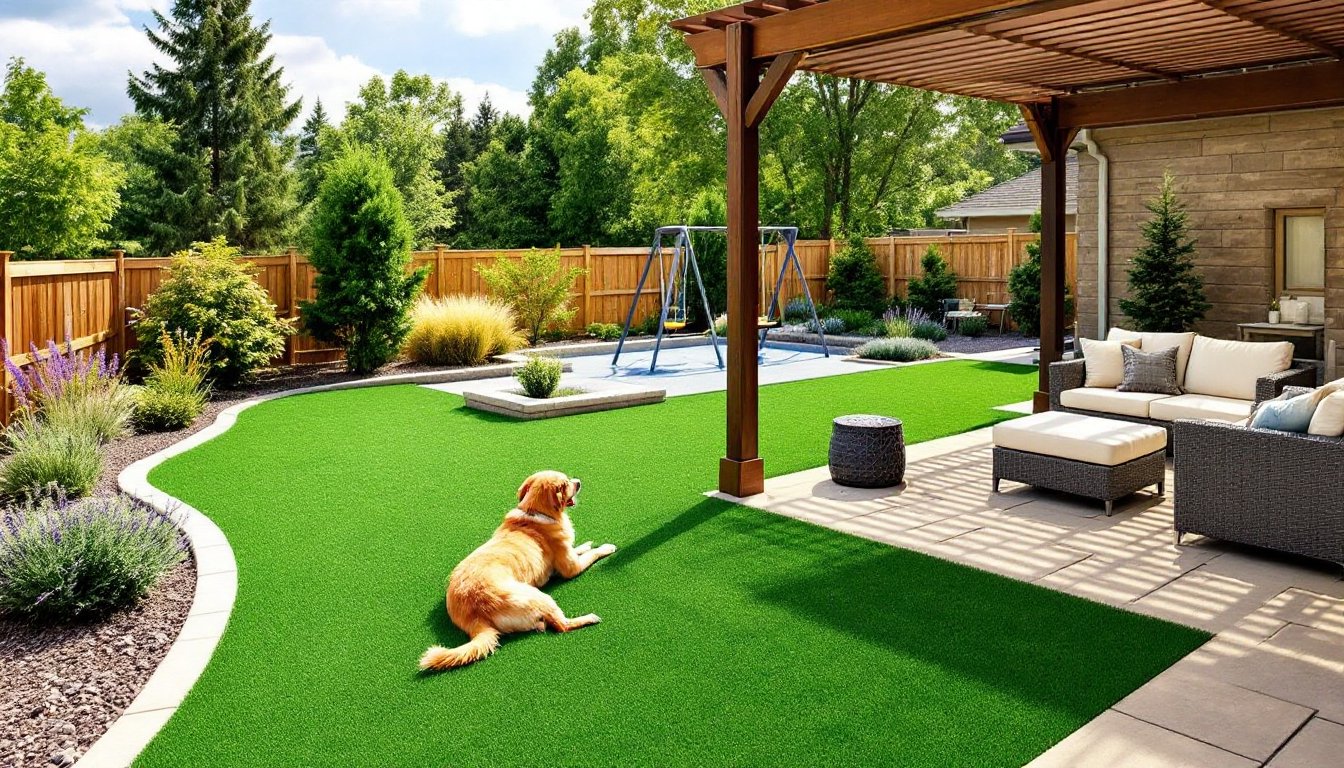
ToggleArtificial turf has come a long way from the plastic-looking green carpet of decades past. Today’s synthetic grass looks remarkably realistic, performs well under foot traffic, and opens up design possibilities that natural lawns can’t match, especially in drought-prone areas or yards with heavy shade. Whether you’re dealing with a sun-scorched slope, tired of weekend mowing, or want a play surface that drains fast after rain, artificial turf offers practical solutions that go way beyond simple lawn replacement. The key is thinking of turf as a building material, not just a grass substitute, and combining it with other elements to create functional, attractive outdoor spaces.
Key Takeaways
- Artificial turf backyard ideas solve persistent grass problems like patchy growth, mud, and constant maintenance by providing a durable, realistic surface that drains rapidly.
- Modern artificial turf costs $5–$20 per square foot installed and can save money long-term compared to ongoing watering, fertilizing, and mowing expenses, especially in water-restricted areas.
- Proper site preparation with 3–4 inches of compacted base, landscape fabric, and clean edging is critical to ensure artificial turf lasts 15+ years and resists weeds and lifting.
- Artificial turf creates safer, cleaner play zones for kids than mulch or gravel, drains fast for all-weather use, and works well with shock-absorbing underlayment under climbing structures.
- Pair artificial turf with hardscape elements like pavers, lighting, and shade structures to build functional entertainment zones that stay mud-free during gatherings and remain usable year-round.
- Small spaces benefit from strategic turf placement—use centered or runners framed by planting beds and vertical elements to create an intentional, polished design without wasting precious square footage.
Why Artificial Turf Is a Game-Changer for Modern Backyards
Artificial turf solves problems that plague natural grass: patchy growth under trees, mud pits from dog traffic, brown spots in summer heat, and the constant cycle of watering, fertilizing, and mowing. Modern products use polyethylene or polypropylene fibers with backing systems that drain up to 30 inches of water per hour per square foot, faster than most natural soils.
The upfront cost runs $5 to $20 per square foot installed, depending on pile height, infill type, and site prep requirements. That includes removal of existing sod, base compaction with crushed rock (typically 3-4 inches of Class II road base), and professional seaming. Compare that to the ongoing costs of irrigation, lawn care, and water bills in regions where residential water rates exceed $5 per 1,000 gallons.
Turf makes sense for high-traffic zones, slopes where mowing is dangerous, and areas where HOA rules require green cover but water restrictions make natural grass impractical. It’s also worth considering if you’ve got dogs that wear paths in the lawn or kids who need a surface that’s playable within minutes of a rainstorm. Most quality products carry 8- to 15-year warranties against UV fade and fiber degradation, though actual lifespan often exceeds that with proper maintenance, occasional rinsing, brushing to keep fibers upright, and infill top-offs every few years.
Create a Low-Maintenance Lawn That Stays Green Year-Round
The most straightforward application is a full lawn replacement. This works especially well in climates where summer heat or winter cold makes natural grass a struggle, or where water conservation is a priority. Homeowners who pursue DIY backyard ideas often find turf installation manageable on smaller yards but should consider pros for areas over 500 square feet, seaming requires a specialized adhesive and kick roller to avoid visible lines.
Site prep is critical. Remove existing grass and topsoil down to mineral soil or subgrade. Excavate to a depth that allows for 3-4 inches of compacted base material plus the turf thickness (usually 1.5 to 2 inches with infill). Compact the base in lifts using a plate compactor, rental yards stock them for around $75 per day. Lay landscape fabric over the base to prevent weeds, then roll out the turf, keeping the fiber direction consistent across all sections.
Choose a pile height of 1.5 to 2 inches for a natural lawn look: shorter piles (around 1 inch) work for putting greens, while taller options (up to 2.5 inches) feel plusher underfoot but can mat down in high-traffic areas. Infill options include silica sand, which helps fibers stand upright, or coated sand products that reduce heat absorption, turf can get hot in direct sun, reaching surface temperatures 20-30°F higher than natural grass on summer afternoons. Some newer products use organic infills like cork or coconut fiber for a cooler feel.
Edging matters. Use benderboard (flexible plastic edging) or aluminum landscape edging to create a clean transition to planting beds or hardscape. Secure with 10-inch landscape spikes every 12 inches. This prevents the turf edges from lifting and keeps infill contained.
Design a Kid-Friendly Play Area with Artificial Turf
Artificial turf makes an excellent base for backyard play zones. It drains quickly, provides cushioning with the right underlayment, and stands up to swings, slides, and trampolines better than natural grass. For play areas, consider products with antimicrobial infill options, which reduce odor if the area also serves as a pet zone.
Safety surfacing is key. Under play equipment, building codes often reference ASTM F1292, which sets impact attenuation standards based on fall height. For structures with platforms 6 feet or higher, you’ll need shock-absorbing underlayment, typically foam pads ranging from 0.5 to 2 inches thick, installed beneath the turf. Many landscape supply yards carry these in rolls: expect to pay $1 to $3 per square foot for the padding alone.
Define the play zone with borders. Landscape timbers, composite boards, or even poured rubber curbing work well. Anchor play equipment per manufacturer specs, most require concrete footings or ground anchors. Turf can be cut and fit around equipment legs, but leave a small gap and fill with infill to allow for minor shifting.
For families with toddlers, turf beats mulch or pea gravel, no splinters, no ingestion hazards, and no tracking into the house. Designing small backyard ideas with kids in mind often means maximizing usable square footage, and turf delivers a clean, defined play surface that can transition to seating areas as kids age.
Build the Ultimate Outdoor Entertainment Zone
Turf creates a resilient, comfortable surface for outdoor lounging, dining, and gathering areas, especially when combined with built-in seating, fire features, or outdoor kitchens. Unlike natural grass, it doesn’t turn to mud under heavy foot traffic during parties and doesn’t require guests to dodge sprinklers or wet patches.
Start by mapping your entertainment layout. Mark locations for grills, fire pits, and seating clusters. Turf works well as the main floor material, but it should be paired with hardscape for high-heat zones. Building codes and product specs typically call for a 3-foot clearance around open flames, so plan pavers or flagstone around fire pits.
Run utilities before laying turf. If you’re installing landscape lighting, outlets for string lights, or gas lines for a grill or fire feature, trench and run conduit or pipe after base prep but before the turf goes down. Experts who write for garden design publications often highlight how professional installations integrate lighting into turf seams or perimeter edges, subtle uplighting along borders creates ambiance without cluttering the space.
For dining areas, consider a turf “rug” framed by pavers or decomposed granite. This defines the zone and makes it easy to clean under tables. If you’re placing furniture directly on turf, use pads under legs to distribute weight and prevent compression marks, particularly important with heavy sectional sofas or dining sets.
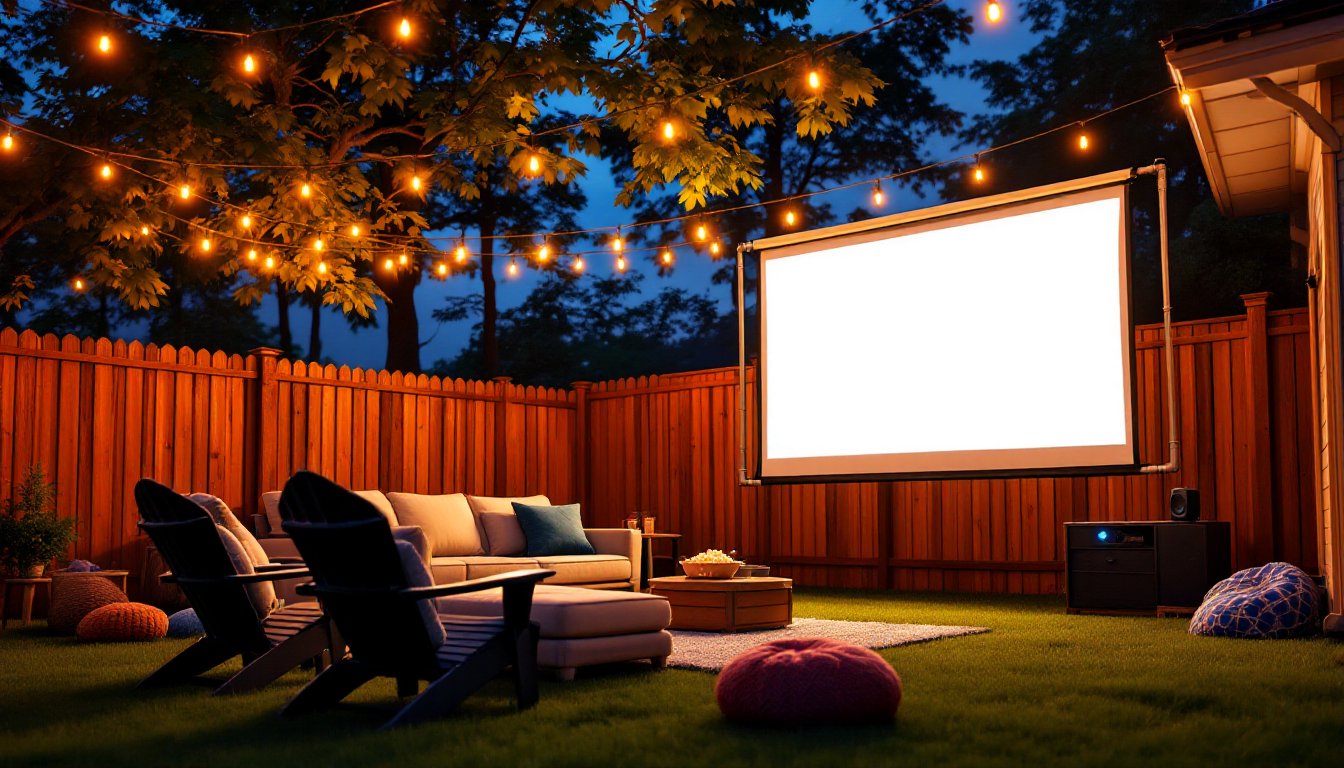
Shade structures pair well with turf entertainment zones. Pergolas, shade sails, or even large cantilever umbrellas reduce heat buildup on the turf surface and make the space usable during midday heat. If you want to explore more ideas for gathering spaces, backyard entertaining tips can offer additional layout inspiration.
Transform Small Spaces with Strategic Turf Placement
In compact yards, every square foot counts. Artificial turf can make small spaces feel larger and more polished by eliminating the visual clutter of patchy grass, bare spots, and garden hoses. It also reduces the need for storage space dedicated to mowers and lawn care equipment.
Focus turf in the center or along sight lines to draw the eye. Frame it with narrow planting beds, vertical gardens, or trellises to add depth without consuming floor space. In tight side yards, a 3- to 4-foot-wide turf runner bordered by gravel or pavers creates a clean, walkable surface that’s more inviting than bare dirt or mulch.
Vertical elements make small turf areas feel more intentional. Install a fence, privacy screen, or living wall along one border, then run turf to the base. This creates a layered effect and makes the space feel designed rather than leftover. Compact furniture, bistro sets, benches, or even a single hammock chair, turns a small turf patch into a usable retreat.
For urban or narrow lots, consider multi-level designs. A raised turf platform (built with a timber or block retaining wall) can create a distinct zone for lounging or kids’ play, separate from a lower patio or path. Just ensure the structure has proper drainage, turf performs best when water can flow freely through the backing and base layers.
Small yards benefit from simplified palettes. Stick to two or three materials: turf, one hardscape type, and one accent (like a gravel border or stained concrete edging). This keeps the design cohesive and avoids the busy, cluttered look that happens when too many textures compete in a confined space. For more guidance on working within tight footprints, practical resources like The Spruce and Better Homes & Gardens offer design tips that translate well to turf installations.
Conclusion
Artificial turf isn’t just a set-it-and-forget-it lawn replacement, it’s a versatile design material that solves real problems, from water conservation to creating durable play surfaces. The best projects pair turf with hardscaping, lighting, and thoughtful layout to build outdoor spaces that look sharp and perform well year-round. Prep work, proper base compaction, clean edges, good drainage, makes the difference between turf that lasts 15 years and turf that looks worn in three. Take the time upfront, and you’ll have a backyard that stays green, stays usable, and actually saves you time every weekend.