Table of Contents
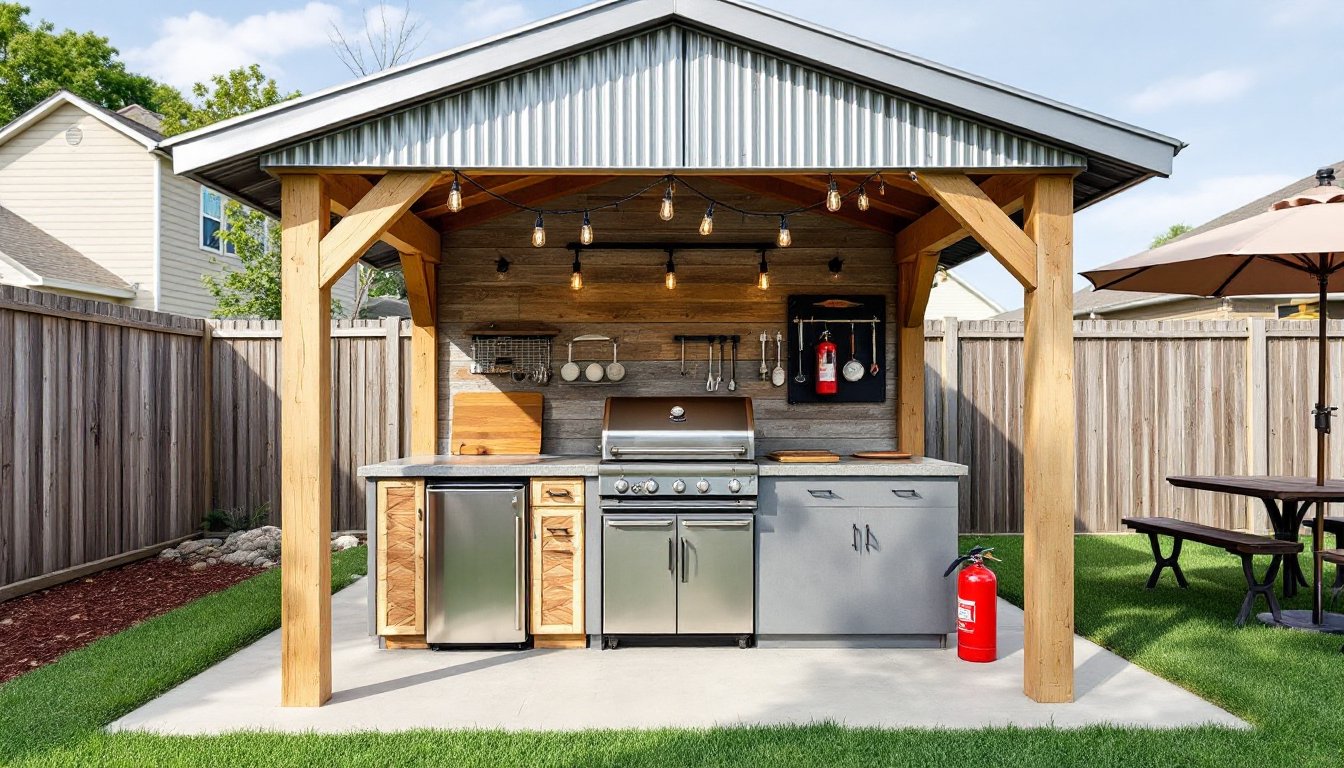
ToggleA dedicated BBQ shack isn’t just about keeping rain off your grill, it’s about creating a purpose-built space where smoke, sizzle, and friends converge without dragging coolers across the lawn every weekend. Unlike a portable canopy or a corner of the deck, a proper shack centralizes gear, protects equipment from the elements, and turns backyard grilling from a chore into a destination. Whether it’s a lean-to shelter clad in reclaimed barn wood or a full-featured cookhouse with a chimney and bar seating, the right setup pays dividends in convenience and curb appeal.
Key Takeaways
- A dedicated BBQ shack centralizes grilling equipment, protects your grill from weather damage, and increases property value by creating intentional outdoor living space—much like a finished basement appeals to buyers.
- Essential design elements for backyard BBQ shack ideas include non-combustible flooring, adequate ventilation with 18+ inches of clearance above grill height, and at least 24 inches of counter space on each side for prep and plating.
- Budget-friendly BBQ shack designs use lean-to construction against existing structures, reclaimed materials, concrete pavers over gravel, and DIY concrete block counters to reduce costs to $150–$250 for a basic 10×10-foot pad.
- Position your BBQ shack downwind of seating areas and plan for a minimum 10×12-foot footprint with proper clearances (3 feet behind grill, 6 inches to combustibles on sides) to ensure safe, comfortable operation.
- Premium BBQ shack setups feature masonry construction, built-in drop-in grills, dedicated plumbing with hot/cold water, and professional lighting (2,000+ lumens over grill surface) for year-round entertaining capability.
- Include practical accessories like outdoor-rated mini-fridges, fire suppression equipment, wet-rated ceiling fans, and stainless steel hardware to protect your investment and enhance functionality in humid or coastal climates.
Why Build a Dedicated BBQ Shack in Your Backyard?
A standalone BBQ structure solves real problems. It keeps propane tanks, charcoal, and tools dry and organized. It shortens prep-to-plate time by eliminating trips back to the kitchen. And it defines the grilling zone, so smoke doesn’t drift into open windows or neighbor’s laundry.
From a property value standpoint, well-built outdoor cooking spaces appeal to buyers in the same way finished basements do, they signal intentional, usable square footage. A shack with a solid roof, electrical outlets, and a cleanable floor can extend the grilling season well into fall and even mild winter days.
For DIYers, it’s a project that doesn’t require a foundation permit in many jurisdictions if kept under 120 square feet and built on skids or piers. Check local zoning, setback requirements from property lines and height restrictions vary. Structures over 200 square feet or those with plumbing typically trigger building permits.
Finally, a BBQ shack keeps your main grill (whether pellet, kamado, or gas) out of the weather, extending its lifespan and protecting ignition systems from rust. If you’ve ever replaced a corroded burner assembly, you know the math works.
Essential Design Elements for Your BBQ Shack
Start with ventilation. Even an open-sided pavilion needs airflow, smoke and heat must escape overhead. Plan for at least 18 inches of open clearance above grill height if building walls, or use a chimney-style hood vented through the roof peak.
Flooring should be non-combustible and easy to hose down. Poured concrete slab (4 inches thick, with fiber mesh) is the gold standard, but pavers over compacted gravel work for lighter builds. Avoid wood decking directly under grills: radiant heat and grease splatter are hard on finish. If using wood framing for the structure, treat all lumber with exterior-grade stain or sealer.
Countertop space is non-negotiable. Budget at least 24 inches of landing zone on each side of the grill for platters and prep. Outdoor-rated materials include tile over cement board, poured concrete with sealed finish, or stainless steel. Avoid butcher block unless it’s marine-grade teak: moisture will warp it.
Electrical service adds flexibility. A dedicated 20-amp GFCI circuit (run in conduit per NEC outdoor standards) powers lights, a mini-fridge, or a pellet grill auger. Hire a licensed electrician if you’re unfamiliar with load calculations or panel work, this isn’t the place for extension cords.
Shelter and Roof Options
A gable roof with metal roofing (corrugated steel or standing seam) sheds rain fast and resists embers. Asphalt shingles work but require sheathing and underlayment, adding cost and weight. For a budget build, a single-slope shed roof (minimum 3:12 pitch) uses fewer materials and simplifies framing.
Pergolas with polycarbonate panels offer a middle ground, partial shade, rain protection, and a lighter footprint. They won’t stop wind-driven rain but keep the workspace dry during typical summer showers. Many outdoor entertaining setups pair pergolas with retractable awnings for flexibility.
Budget-Friendly BBQ Shack Ideas for DIY Builders
A lean-to against an existing fence or garage wall cuts material costs in half. Frame it with pressure-treated 4×4 posts set in concrete footings (below frost line in cold climates) and use 2×6 rafters spanning no more than 8 feet. Cover with corrugated metal roofing from a big-box store, expect around $2 per square foot for panels.
Reclaimed materials keep costs down. Salvaged barn siding, old fence pickets, or pallet wood make serviceable wall cladding if you’re aiming for rustic. Just ensure any wood near the grill is at least 3 feet away horizontally and treated with fire-retardant coating.
Skip the concrete slab and use gravel with pavers. Excavate 4 inches, lay landscape fabric, compact 3 inches of ¾-inch crushed stone, then top with 12×12-inch concrete pavers. Total material cost for a 10×10-foot pad runs $150–$250, and it’s a weekend job with a wheelbarrow and tamper.
For counters, stack concrete blocks (8×8×16) and cap with a single slab of cut bluestone or a DIY poured-in-place concrete top. Reinforce with rebar and wire mesh. Sand and seal with a concrete sealer rated for food contact. This DIY approach delivers a functional surface for under $200 in materials.
Lighting? String Edison bulbs on a dimmer switch or use solar-charged LED strips. Both avoid trenching for electrical and provide enough lumens for evening cooks. Step-by-step project guides on Instructables walk through wiring basics for outdoor string lights if you decide to go hard-wired.
Premium BBQ Shack Designs for Serious Grill Masters
A full-featured cookhouse steps beyond shelter into outdoor kitchen territory. Think masonry walls, built-in kamado or Argentine-style grill, running water from a frost-proof hydrant, and a vent hood with makeup air.
Framing with steel studs (20-gauge, 16 inches on center) resists warping and doesn’t rot. Sheath with cement board, then finish with stacked stone veneer or stucco. For roofing, a hip design with architectural shingles or clay tile adds visual weight and longevity, expect 30+ years with proper flashing.
Built-in grills (drop-in models from brands like Twin Eagles or Lynx) require cutouts in masonry or framed islands. Plan for ventilation underneath, propane needs airflow, and enclosed cabinets must have louvers. Include a grease management system: a sloped drain pan that funnels to a removable catch bucket.
A masonry smoker or wood-fired oven built into the shack’s side wall becomes a showpiece. Hire a mason experienced with firebox construction, flue placement, damper sizing, and refractory mortar joints aren’t DIY-friendly unless you’ve laid brick before. Costs start around $3,000 for materials and labor but deliver restaurant-quality results.
Incorporate a sink with hot and cold water. Run PEX from the main house (bury below frost line, insulated where it exits the ground). Install a tankless electric water heater (2.5-gallon, 120V) under the counter if distance makes hot water lag annoying. Add a P-trap and drain line sloped to daylight or a sump pit.
Ambient and task lighting matter. Recessed LED cans (IC-rated if insulation touches them) in the ceiling, plus under-cabinet LED strips above the counter, ensure visibility after dark. Use a photocell switch so lights activate automatically at dusk.
Layout and Space Planning Tips
A minimum 10×12-foot footprint accommodates a 36-inch grill, 4 feet of counter, and enough clearance to move around comfortably. For multi-cook setups (grill plus smoker or side burner), bump to 12×16 feet.
Position the shack downwind of the main seating area, most regions have prevailing winds from the west or southwest. Check your local wind rose data. Smoke drifting into a pergola or patio kills the vibe.
Leave at least 3 feet of clearance behind the grill for safe access to tank shutoffs and grease traps. Side clearances depend on grill specs, check manufacturer cut sheets. Many require 6 inches to combustibles on each side.
Work triangle principles apply: place the grill, prep counter, and cooler/fridge within a 15-foot total perimeter so the cook isn’t hiking laps. Integrate a small trash pull-out (13-gallon) within arm’s reach of the cutting board.
For small backyard layouts, an L-shaped design tucks into a corner, maximizing usable space without dominating the yard. Mount fold-down shelves on the exterior walls for bonus surface when needed.
Must-Have Features and Accessories
Tool storage keeps spatulas, tongs, and thermometers off the counter. Install magnetic knife strips, S-hooks on a rail, or a pegboard panel. Enclosed cabinets with marine-grade hinges (stainless steel, sealed bearings) resist rust in humid climates.
A mini-fridge (4.5 cubic feet, outdoor-rated with sealed compressor) holds marinating meat, drinks, and condiments. Standard indoor fridges fail outdoors, heat and moisture kill the electronics within a season. Outdoor models run $400–$800 but are built for the environment.
Fire suppression: Keep a 10-pound ABC fire extinguisher mounted within 10 feet of any open flame. Inspect it annually, check the gauge and flip it upside-down to break up settled powder. If using a built-in grill with a gas line, install an emergency shutoff valve at the structure’s edge.
Insect control matters if you’re cooking at dusk. Ceiling fans (wet-rated, min 52-inch diameter) create downdraft that deters mosquitoes. Alternatively, screen the structure with retractable panels or fixed screens on three sides, leaving the grill side open.
Include task lighting over the grill surface, 2,000 lumens minimum for searing steaks and checking doneness. Adjustable gooseneck fixtures or track lighting let you direct beams where needed.
A built-in cutting board (HDPE plastic, ¾-inch thick, drop-in style) set into the counter creates a dedicated prep zone. Avoid wood boards in outdoor kitchens unless they’re teak or another dense hardwood: they crack with sun exposure.
Consider adding a beverage station: a small bar sink (15 inches square), bottle opener mounted to the counter edge, and a speed rail for liquor bottles. Keeps bartending separate from food prep. Ideas for optimizing this kind of setup appear in many backyard entertaining guides.
Roof-mounted hooks or a ceiling-mounted pot rack can hang cast iron skillets, grill baskets, and other heavy gear. Keeps weight off shelves and adds a pro-kitchen aesthetic. Inspiration galleries on Gardenista showcase similar setups in outdoor spaces.
For cold-weather grilling, a propane patio heater (48,000 BTU, freestanding or wall-mount) extends usability into November and March. Pair it with wind barriers, either fixed half-walls or roll-down vinyl curtains with clear panels.
Finally, weatherproof your workspace. Seal all wood with exterior-grade polyurethane or marine spar varnish. Use stainless steel fasteners (deck screws, lag bolts) throughout, galvanized steel rusts in coastal or high-humidity areas. Treat concrete with a penetrating sealer every two years. Woodworking details and finishing tips are well-documented on Fix This Build That for anyone tackling custom builds.