Table of Contents
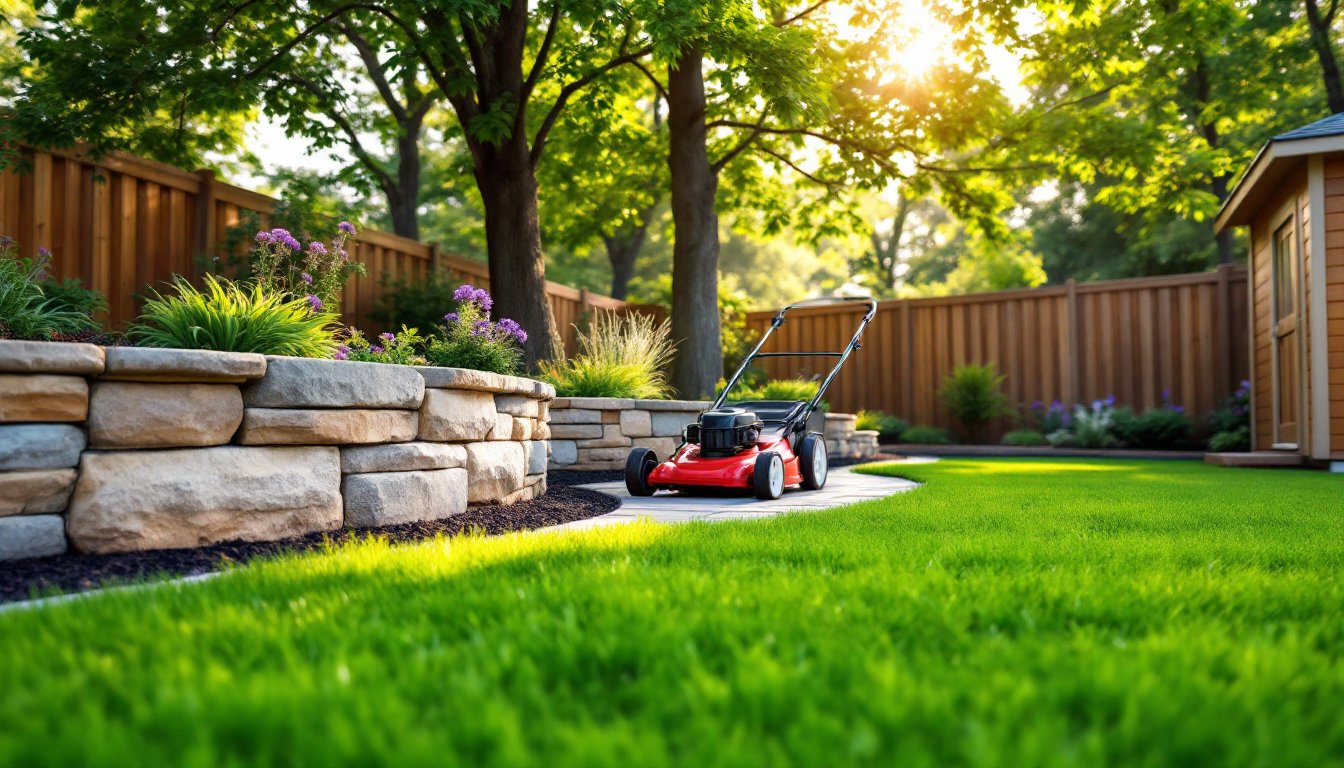
ToggleEdging defines where lawn stops and beds begin, and it’s the difference between a yard that looks intentional and one that looks like it’s still under construction. A clean border holds mulch in place, blocks grass from creeping into flowerbeds, and gives mowing a hard stop line so you’re not trimming by guesswork. Whether you’re working with flagstone, recycled rubber, or salvaged brick, the right edging material can elevate curb appeal without requiring a landscape crew or a hefty budget. Here’s how to choose, install, and maintain edging that actually works.
Key Takeaways
- Backyard edging ideas prevent soil erosion, contain mulch, and reduce mowing time by eliminating the need for string trimmer touch-ups.
- Natural stone edging like flagstone and fieldstone offers timeless appeal with minimal maintenance, while budget-friendly alternatives include salvaged brick ($0.50–$1 per unit) and concrete pavers ($0.75–$2 each).
- Steel edging provides the most durable, low-maintenance solution lasting 25+ years, while recycled rubber edging offers flexibility for curves at a fraction of the cost and weight.
- Proper trench preparation—including consistent depth, compacted base, and appropriate drainage material—is critical to prevent sagging and frost heave regardless of edging material chosen.
- Creative DIY options like stacked lumber, wine bottle borders, and woven wattle fencing deliver character for weekend warriors willing to invest time over budget.
Why Backyard Edging Matters for Your Landscape
Edging isn’t just cosmetic. It prevents soil erosion, keeps mulch from washing onto walkways, and creates a physical barrier that slows root spread from aggressive groundcovers like mint or creeping charlie. Without it, lawn grass sends runners into beds, forcing constant re-cutting of borders with a spade or half-moon edger.
From a maintenance standpoint, edging reduces trimming time. A mower wheel rides along the edge, eliminating the need for string trimmer touch-ups. That saves fuel, time, and the risk of flinging rocks into siding or windows.
It also improves drainage. A slightly raised edge (1–2 inches above grade) channels runoff away from foundations and prevents pooling in beds. If you’re installing edging along a slope, consider how water will move, plastic or metal edging won’t absorb runoff, so you may need to add a gravel strip or drainage tile underneath.
Finally, edging defines zones. It separates turf from hardscape, vegetables from ornamentals, or play areas from planting beds. This visual separation makes a yard feel larger and more organized, especially in compact suburban lots where every square foot counts.
Natural Stone Edging for Timeless Appeal
Flagstone, fieldstone, and river rock deliver a look that blends with regional geology and weathers gracefully. Unlike manufactured materials that fade or crack, stone develops a patina as moss and lichen colonize the surface.
For a traditional border, set flagstone pavers on edge in a 4–6 inch trench filled with crushed gravel and coarse sand. This method requires no mortar and allows for easy adjustments as soil settles. Use a 4-foot level and rubber mallet to ensure consistent height, aim for 1–2 inches above grade to contain mulch.
Fieldstone works well for informal, cottage-style beds. Stack irregular stones two or three high, nestling them tightly so gaps don’t invite weeds. No need for adhesive in most cases: gravity and interlocking shapes hold them in place. If you’re in a frost-heave zone, expect minor shifting each spring. A quick reset with a pry bar keeps the line crisp.
River rock (2–4 inch diameter) suits xeriscapes and modern minimalist designs. Pour stones into a shallow trench lined with landscape fabric to block weeds. The fabric also prevents rocks from sinking into soft soil. For best results, choose angular crushed rock over smooth river rock if you need the material to stay put on slopes, rounded stones tend to roll.
Stone edging pairs beautifully with backyard planter ideas that emphasize naturalistic planting schemes. Installation is labor-intensive but forgiving: there’s no precision cutting or fastening, just patient fitting and leveling.
Budget-Friendly Edging Materials That Look Expensive
Brick and Paver Borders
Used brick costs $0.50–$1 per unit at salvage yards, and the weathered patina looks more authentic than new stock. Lay bricks flat (soldier course) or on edge (sailor course) in a 3-inch sand bed. A sailor course uses less material but requires deeper trenching, 5–6 inches to prevent tipping.
Bevel the trench sides slightly inward so soil pressure holds bricks snug. Backfill with sand and tamp with a hand tamper or a 4×4 post wrapped in carpet scrap. For curves, use a flexible garden hose as a layout guide and cut bricks with a brick chisel and 3-pound hand sledge (or rent a masonry saw for cleaner cuts).
Concrete pavers (6×6 or 6×9 inches) run $0.75–$2 each at big-box stores. They’re uniform, stackable, and faster to install than brick. Choose interlocking styles for straight runs: standard squares work fine for gentle curves. If you’re planning inexpensive hardscape solutions, pavers double as edging and pathway material, simplifying bulk orders.
Pro tip: Seal brick and concrete with a water-based acrylic sealer every 2–3 years to prevent efflorescence (white mineral deposits) and make moss removal easier.
Recycled Rubber and Plastic Edging
Recycled rubber edging mimics stone texture at a fraction of the weight and cost ($1.50–$3 per linear foot). It flexes around curves, won’t crack in freeze-thaw cycles, and cuts with a utility knife. Stake it every 3 feet with 10-inch galvanized spikes, plastic anchors pull out in clay soil.
Rubber edging is ideal for slopes and areas where tree roots make digging difficult. It sits on grade rather than in a trench, so installation takes minutes instead of hours. The downside? It looks convincing from 10 feet but won’t fool anyone up close. Reserve it for utility areas or backdrop beds where aesthetics take a back seat to function.
Plastic landscape edging (the ribbed, flexible kind) costs $0.50–$1 per foot and works for temporary borders or beds you’ll rearrange seasonally. It’s not durable enough for high-traffic zones, mower wheels and foot traffic deform it over time. For a cleaner look, choose steel or aluminum edging ($3–$5 per foot), which offers the same flexibility with better longevity and a slim profile that nearly disappears under mulch.
Creative DIY Edging Projects for Weekend Warriors
If you’ve got scrap materials and a weekend, here are three builds that deliver character without a trip to the lumberyard.
Stacked lumber edging: Use pressure-treated 4×4s or 6×6s cut to staggered lengths (18–36 inches). Drill 1/2-inch holes through the center and drive 18-inch rebar stakes to anchor them. This rustic border suits woodland gardens and DIY backyard projects where rough-hewn texture fits the aesthetic. Treated lumber lasts 15–20 years in ground contact: untreated cedar or redwood weathers faster but costs more.
Wine bottle borders: Bury bottles neck-down in a 6-inch trench, leaving 3–4 inches exposed. Pack soil tightly around each bottle and backfill with sand for drainage. The result is a colorful, light-catching border popular in cottage gardens. Use safety goggles and gloves when handling broken glass, chips are inevitable. This method works best in mild climates: frost heave can crack bottles in northern zones.
Woven wattle fencing: Weave flexible branches (willow, dogwood, or grapevine) between stakes driven 12 inches apart. This living edging looks medieval and costs nothing if you’re clearing brush. Stakes sprout in spring if you use live willow, creating a self-renewing border. Height ranges from 6–18 inches depending on stake length. Expect 3–5 years before decay requires replacement, faster in wet climates.
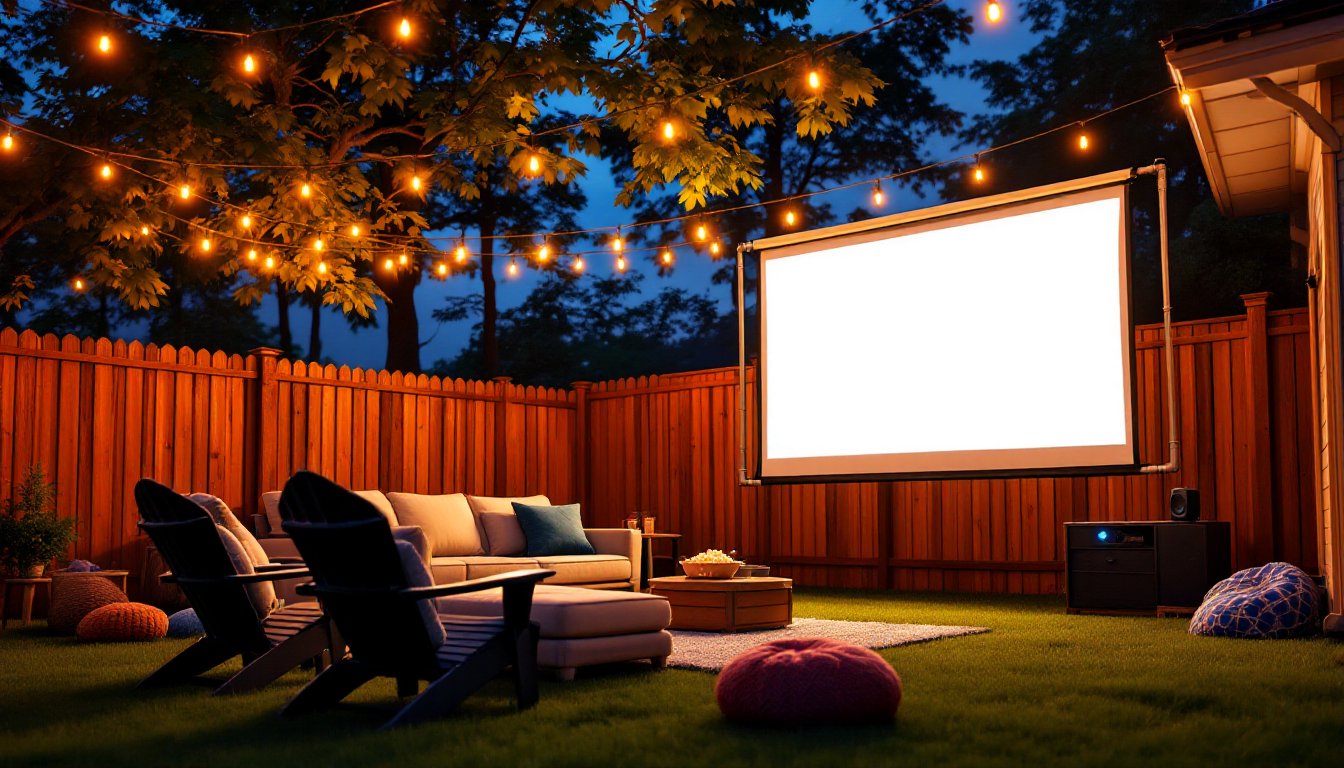
For entertaining zones that flow into landscaped areas, these backyard entertaining solutions often benefit from edging that doubles as seating or drink ledges. Consider topping stacked lumber with a sanded 2×6 cap for impromptu perches during gatherings.
Low-Maintenance Edging Solutions for Busy Homeowners
Some borders install once and need zero upkeep beyond an annual weeding pass. Here’s what lasts.
Steel edging: Commercial-grade 1/8-inch powder-coated steel ($4–$6 per foot) flexes for curves, stakes invisibly, and lasts 25+ years. It rusts eventually, but the oxidation stabilizes into a weathered finish. Installation requires a 3-inch trench, a rubber mallet, and 12-inch stakes every 4 feet. Lawn edging guides often recommend steel for its clean lines and professional finish.
If you’re short on time, steel is the answer, no seasonal adjustments, no rot, no insect damage. Pair it with a 2-inch mulch layer and you’ll mow, edge, and move on.
Poured concrete curbing: Hire a curbing contractor (or rent a concrete curbing machine for $200/day) to extrude a continuous 4–6 inch border. Costs run $6–$12 per linear foot installed, but it’s permanent and customizable in color and profile. This method suits formal landscapes and outdoor entertaining spaces where clean geometry matters. Concrete edging requires no staking, doesn’t shift, and provides a solid mowing guide.
Aluminum edging: Lighter than steel, aluminum won’t rust but dents more easily. It’s a good middle ground at $3–$4 per foot. Install it the same way as steel, but use a wooden block between the mallet and edging to prevent dings.
Ground-level stone: For an ultra-low-profile option, set flagstone or bluestone flush with the lawn. This creates a mowing strip, your mower wheels run along the stone, eliminating trimming altogether. The tradeoff? It won’t contain mulch, so this works best for beds bordered by groundcovers rather than loose material. Explore resources on home improvement and garden design for additional layout strategies.
Prep is critical for longevity. Dig trenches to consistent depth (use a string line and stakes), compact the base with a tamper, and backfill with coarse sand or pea gravel for drainage. Skipping these steps leads to sagging, frost heave, and early failure, most edging problems trace back to poor trench prep, not material choice.
Safety note: Wear leather gloves when handling metal edging, factory edges are sharp. Use knee pads for trench work and safety glasses when cutting stone or brick. If you’re trenching near utilities, call 811 for a free locate service before digging.