Table of Contents
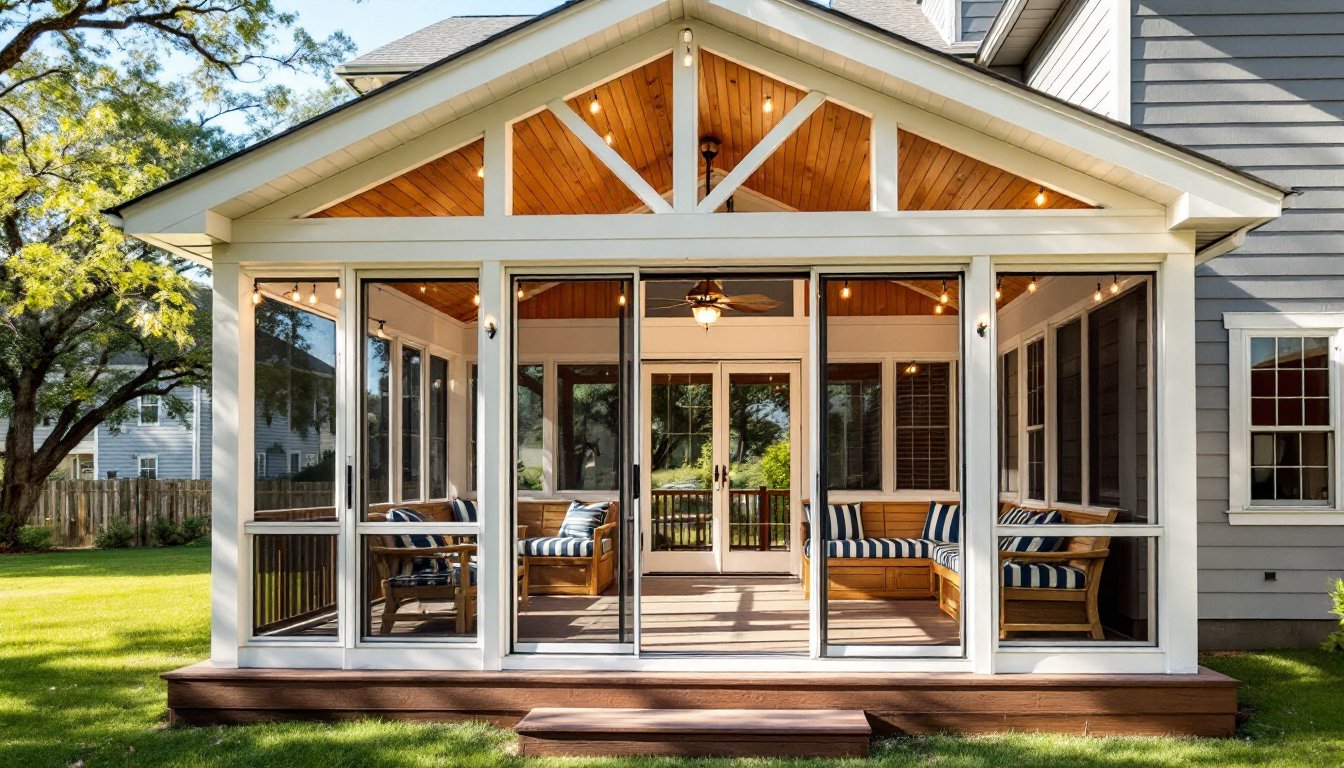
ToggleAdding a gazebo attached to your house isn’t just about aesthetics, it’s about expanding usable square footage, creating weather-protected entertaining space, and increasing property value. Unlike freestanding structures that sit awkwardly in the middle of the yard, an attached gazebo becomes an extension of your home’s footprint. It bridges indoor and outdoor living, provides direct access from interior rooms, and simplifies utility runs for lighting, fans, and even speakers. Whether you’re replacing a tired deck or building from scratch, attached gazebos offer design flexibility that freestanding models can’t match.
Key Takeaways
- Attached gazebos expand living space and increase property value while leveraging your house wall for structural support, eliminating extra posts and reducing material costs compared to freestanding structures.
- Match your home’s roofline pitch, materials, and trim profile to ensure backyard gazebo ideas look integrated into the house rather than like an afterthought, maintaining visual cohesion.
- Proper ledger board installation with flashing, correct footings below the frost line, and professional electrical work are critical for safety and code compliance in attached gazebo construction.
- Modern design options include flat-top and pergola-style attachments with adjustable louvers for all-weather protection, while traditional pitched roofs offer water shedding efficiency and match most residential architecture.
- Essential features like ceiling fans, layered lighting, retractable screens, and proper flooring drainage extend usability and comfort throughout the year.
- Budget $3,500–$7,000 for materials on a basic 12×16 structure, with professional installation typically doubling costs; always pull permits and schedule inspections to ensure the project adds genuine long-term value.
Why Choose an Attached Gazebo Over a Freestanding Structure
Attached gazebos tie directly into your home’s existing structure, which means less site preparation and often lower material costs. You’re leveraging the house wall as one side of the structure, eliminating the need for additional posts, framing, and siding on that elevation.
Accessibility is the biggest advantage. No trudging across wet grass to reach your outdoor space, just step through a door or sliding glass panel. This makes attached gazebos ideal for outdoor entertaining areas where you’re shuttling food, drinks, and guests back and forth.
Utility integration becomes straightforward. Running electrical conduit through an exterior wall beats trenching across the yard to a freestanding gazebo. Same goes for speaker wire, natural gas lines for a grill, or even plumbing for a wet bar. You’ll need a permit for electrical and gas work in most jurisdictions, but the runs are shorter and inspections simpler.
From a structural perspective, attaching to the house provides lateral stability. You’re anchoring one side to a ledger board (typically a 2×8 or 2×10 pressure-treated beam lag-bolted into the rim joist), which bears part of the roof load. Freestanding gazebos require four corner posts or more, sized to resist wind uplift and snow loads independently.
Code considerations: Most municipalities treat attached gazebos as covered patios or porches, which means they fall under residential deck codes (IRC R507). You’ll likely need to pull a permit, submit plans showing footings, beam spans, and flashing details, and schedule inspections. Setback requirements from property lines may also apply, though attached structures sometimes get more leeway than detached ones.
Popular Attached Gazebo Design Styles for Your Home
Traditional Pitched Roof Gazebos
Gable and hip roof styles dominate traditional attached gazebos. A gable roof, two sloped planes meeting at a ridge, matches most residential architecture and sheds water efficiently. Hip roofs slope on all four sides, offering better wind resistance in exposed locations.
Pitch matters. Most residential roofs run 4:12 to 6:12 (4 to 6 inches of vertical rise per 12 inches of horizontal run). Matching your home’s existing pitch creates visual cohesion, though a shallower pitch works if the gazebo sits lower than the main roofline. Just ensure you maintain at least a 2:12 slope for asphalt shingles: anything flatter requires roll roofing or modified bitumen.
Roofing material should match the house. If your home has architectural shingles, use the same product and color on the gazebo. Mixing materials, say, shingles on the house and corrugated metal on the gazebo, looks like an afterthought unless you’re working a modern farmhouse aesthetic.
Framing typically uses 2×6 rafters on 16-inch centers for spans up to 10 feet, stepping up to 2×8s or 2×10s for longer runs. Consult span tables in the IRC or your local code: snow load and species of lumber (Southern Pine vs. Douglas Fir, for example) affect allowable spans.
Modern Flat-Top and Pergola-Style Attachments
Pergolas have open rafter tails and cross beams, providing partial shade rather than full weather protection. They’re simpler to build, no roof sheathing, underlayment, or shingles, but they don’t keep rain off furniture. Pergolas work well in dry climates or as budget-conscious outdoor upgrades where you’ll add a retractable canopy or climbing vines for shade.
Flat-top gazebos use a low-slope or nearly flat roof plane, often with a parapet or perimeter trim that hides the roof membrane. These suit contemporary homes with clean horizontal lines. Structurally, you’ll need engineered joists or commercial-grade rafters rated for minimal pitch, plus a waterproof membrane like EPDM, TPO, or torch-down modified bitumen. Standing water is the enemy, ensure at least a 1:12 slope toward scuppers or a perimeter gutter.
Shade louvers are a middle ground. Adjustable aluminum louvers pivot to control sunlight and ventilation, and they close flat to shed rain. Systems from manufacturers like Equinox or StruXure aren’t cheap, figure $8,000 to $20,000 installed for a 12×16-foot structure, but they offer genuine all-weather protection and integrate with smart home systems. Permitting is straightforward since they’re classified as retractable awnings in many areas.
For pergola-style builds, homeowners pursuing entertainment-focused spaces often pair open-beam designs with outdoor curtains, roll-down shades, or clear vinyl panels for seasonal weather protection.
Materials That Work Best for House-Attached Gazebos
Pressure-treated lumber remains the workhorse for framing. Use ground-contact rated PT (0.60 PCF retention) for any posts embedded in concrete or touching the ground, and above-ground rated (0.40 PCF) for elevated framing. Kiln-dried after treatment (KDAT) lumber resists warping better than wet-treated stock, but it costs 15–20% more.
Cedar and redwood offer natural rot resistance and a cleaner look for exposed beams and posts. Western Red Cedar is widely available and machines easily, but it’s softer than PT pine, use larger dimensions (a 6×6 cedar post where you’d spec a 4×4 PT post) to compensate. Redwood is premium material, harder to source outside the West Coast, and pricier.
Composite and PVC trim work for railings, fascia, and decorative elements where you want zero maintenance. Brands like Azek, Trex, and TimberTech won’t rot, split, or need paint. They cost roughly double what PT or cedar boards run, but the labor savings over 10 years tip the ROI in their favor for visible trim.
Aluminum and steel posts and beams show up in modern designs and engineered kits. Powder-coated aluminum won’t rust and supports long spans with slimmer profiles than wood. Steel posts (often 4-inch square tube) handle heavy loads but require rust-inhibiting primer and paint unless you’re using weathering steel (Corten) for an intentional patina.
Roofing membranes: For low-slope or flat roofs, EPDM rubber is DIY-friendly and affordable ($1.50–$2.50 per square foot material cost). TPO offers better UV resistance and heat reflectivity in hot climates. Both require proper substrate, typically ½-inch plywood sheathing over joists, then rigid foam insulation if you’re planning a heated or conditioned space underneath.
Fasteners and hardware: Use hot-dipped galvanized or stainless steel lag bolts, joist hangers, and post bases. The ledger board attachment is critical, through-bolt into the rim joist with ½-inch lags every 16 inches, and install self-adhesive flashing tape over the ledger to prevent water intrusion behind the siding.
Key Features to Include in Your Attached Gazebo
Ceiling fans are essential for comfort. A 52-inch or 60-inch fan rated for damp or wet locations keeps air moving on humid days. Wire it to a wall switch inside the house or add a remote control. Install an outdoor-rated junction box rated for fan weight (most require a box rated for 70 pounds dynamic load).
Lighting should layer: recessed downlights for task illumination over a dining table, string lights or pendant fixtures for ambiance, and step lights along edges for safety. LED fixtures with dusk-to-dawn sensors or smart switches add convenience. Run all wiring through weatherproof conduit and use GFCI-protected circuits per NEC requirements.
Screens and shade extend usability. Retractable screens from brands like Phantom or Screeneze drop down to block insects without obstructing views when not needed. Fixed screens in wood or aluminum frames cost less but require removal for winter storage in cold climates. For sun control, consider exterior roll shades, bamboo blinds, or motorized fabric panels that resist wind better than indoor curtains.
Built-in seating and storage maximize space. A bench with hinged seat lids provides hidden storage for cushions, firewood, or kids’ toys. Use marine-grade plywood and waterproof hinges to handle moisture. An outdoor-rated storage cabinet keeps grill tools, tableware, and extension cords close at hand, which is helpful for those hosting small backyard gatherings.
Flooring choices depend on grade level and drainage. If building over existing concrete, you can lay interlocking deck tiles (composite, wood, or stone) without permanent installation. For elevated structures, treat it like a deck: 2×6 or 2×8 joists over concrete footings, topped with decking boards (wood, composite, or PVC) run perpendicular to joists with appropriate gapping (1/8-inch for most composite products). Slope the floor ¼ inch per foot away from the house to shed water.
Heating elements such as infrared patio heaters or a built-in fireplace can extend use into cooler months. Natural gas or propane lines require a licensed plumber and permits. Electric infrared heaters plug into standard outlets but draw 1,500 watts, dedicate a 15-amp circuit to avoid tripping breakers.
Planning and Installation Considerations
Start with site assessment. Measure the attachment wall to confirm it’s structurally sound. Brick veneer, vinyl siding, and stucco each require different flashing and fastener strategies. If the wall is load-bearing or contains utilities, consult a structural engineer before cutting or drilling.
Footings must reach below the frost line (check local code: it ranges from 12 inches in the South to 48 inches in northern climates). Dig holes, pour concrete, and set galvanized post bases with anchor bolts. For attached gazebos, you typically need footings only at the free-standing corners, two posts for a simple shed-roof design, four for a gable end.
Ledger board installation is the make-or-break step. Remove siding in a strip where the ledger will attach (usually 8–10 inches tall). Flash the wall with peel-and-stick membrane, lap the ledger over the bottom edge, then through-bolt every 16 inches into solid rim joist or blocking. Never attach to brick veneer alone or rely on lag screws into siding, they’ll pull out under load.
Span calculations: Use span tables from the American Wood Council or your jurisdiction’s adopted code. A 2×8 joist in Southern Pine #2 can span roughly 10 feet at 16-inch on-center spacing under typical live loads (40 psf). Go wider or carry heavier snow loads, and you’ll need deeper joists or closer spacing.
Permits and inspections are non-negotiable for anything attached to the house. Expect to submit a site plan showing setbacks, a framing plan with member sizes and spans, and details for ledger attachment and flashing. Inspections typically occur after footings are poured, once framing is complete, and after final roofing and electrical.
DIY vs. pro: Framing and roofing an attached gazebo is within reach for confident DIYers with carpentry experience and access to a miter saw, circular saw, drill, and level. Budget a long weekend for a basic 10×12 structure. Hire out the electrical and gas work unless you’re licensed, code requires it, and your homeowner’s insurance may deny claims for unpermitted DIY work. For designs integrating with extensive hardscape elements, consider hiring a landscape contractor to coordinate grading, drainage, and patio connections.
Cost estimates vary widely by region, materials, and labor rates. As of 2026, expect $3,500–$7,000 in materials for a 12×16 PT-framed gazebo with asphalt shingle roof (not including flooring or amenities). Add $2,000–$4,000 for electrical, $1,500–$3,000 for upgraded decking, and $1,000–$2,500 for screens or shade systems. Professional installation typically doubles material cost. Always get three quotes and verify contractors carry liability insurance and workers’ comp.
Design inspiration for structures that blend traditional and modern aesthetics can be found in publications like Southern Living, which highlights regional porch and outdoor living trends. Similarly, garden-focused platforms offer detailed visual examples of pergola and open-beam designs that translate well to attached applications.
Eventually, an attached gazebo should feel like it was always part of the house. Match rooflines, trim profiles, and paint colors. Pay attention to flashing, drainage, and structural connections. Done right, it’s a project that pays dividends in comfort, function, and resale value for decades.