Table of Contents
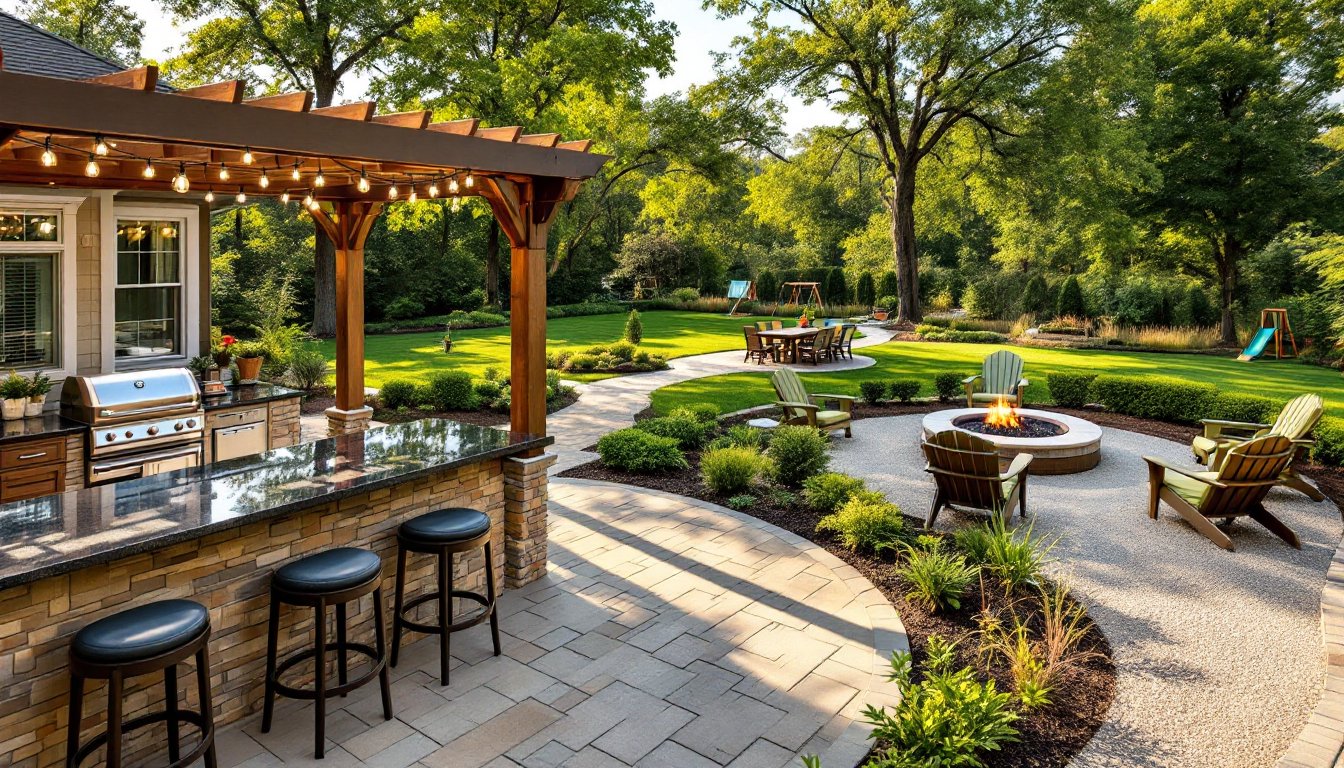
ToggleA sprawling backyard is a gift, and a blank canvas that can quickly feel overwhelming. With acres of grass staring back, homeowners often struggle to turn potential into purpose. The trick isn’t cramming every square foot with features: it’s creating intentional zones that balance function, aesthetics, and maintenance. Large yards offer room for outdoor kitchens, fire pits, play zones, gardens, and water features without sacrificing breathing room. But smart planning is essential. This guide walks through practical, high-impact ideas to help homeowners design a backyard that feels cohesive, usable, and worth the square footage.
Key Takeaways
- Breaking your large yard into distinct zones with clear purposes—dining, lounging, gardening, and play—transforms sprawling space into functional outdoor rooms that feel cohesive and intentional.
- An outdoor kitchen with built-in grills, prep sinks, and covered seating requires proper permitting and professional work for gas lines and electrical hookups, but delivers year-round entertaining capability.
- Fire pits, comfortable seating areas, and layered lighting create a relaxation retreat that becomes the backyard’s natural evening anchor for gatherings and family time.
- Water features like pools, hot tubs, or DIY fountains add visual impact and resort appeal, but in-ground pools require significant investment ($25,000–$100,000+) and professional installation.
- Smart landscaping with raised garden beds, native plantings, and trees provides low-maintenance color, privacy, and vertical scale while requiring thoughtful spacing and annual mulching.
Create Distinct Outdoor Zones for Maximum Functionality
Breaking a large yard into defined zones keeps it from feeling like a featureless lawn. Think of the space as a series of outdoor rooms, each with a clear purpose: dining, lounging, gardening, or play.
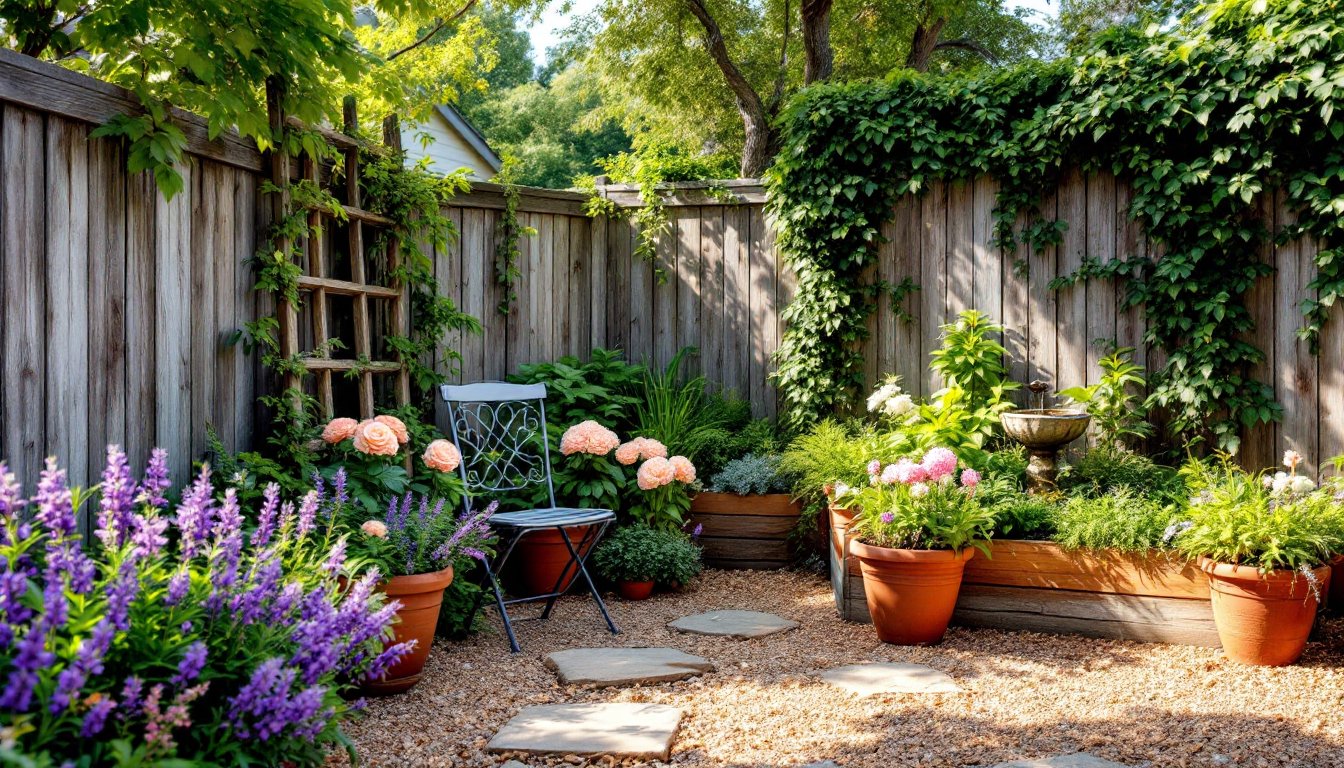
Start by mapping out traffic flow. Pathways, whether gravel, pavers, or stepping stones, guide movement and visually separate zones. Decomposed granite (DG) is a low-cost, permeable option that compacts well. Standard pathways run 3–4 feet wide for single-file traffic, 5–6 feet for side-by-side walking.
Use hardscaping and plantings to create boundaries. Low hedges, split-rail fencing, or raised garden beds work as subtle dividers without blocking sightlines. Pergolas, arbors, or shade sails define overhead space and add vertical interest.
Each zone should have a clear anchor: a dining table, a seating group, a fire pit, or a play structure. Avoid scattering furniture randomly across the lawn. Clustering pieces creates intimacy and makes the yard feel intentional rather than sparse.
Consider sightlines from the house. The view from kitchen or living room windows should highlight focal points, not storage sheds or compost bins. Position less attractive utilities (HVAC units, garbage cans) in screened side yards or behind lattice panels.
For very large properties, leaving open lawn zones is fine, but give them purpose. A croquet or bocce court, a wildflower meadow, or a simple firebreak buffer all justify the space without requiring intensive upkeep.
Build a Show-Stopping Outdoor Kitchen and Dining Area
An outdoor kitchen turns a backyard into a true entertaining hub. With a large yard, there’s room to go beyond a basic grill cart, think built-in islands, prep sinks, and covered cooking zones.
Built-in grills (propane or natural gas) are the centerpiece. Natural gas requires a licensed plumber to run a supply line, and many jurisdictions require a permit for gas work. Propane offers flexibility but needs a vented recess for the tank.
Frame the island with concrete block or steel studs, then finish with stacked stone, tile, or stucco. Include a concrete countertop (sealed with food-safe sealer) or granite slab for durability. Standard counter height is 36 inches: bar-height seating runs 42 inches.
Add a prep sink if water lines are accessible. A simple garden hose bib can feed a small basin, but a proper drain line requires trenching and a gray water or sewer tie-in. Check local codes, some areas allow gray water irrigation, others don’t.
For shade, a pergola with a retractable canopy or fixed polycarbonate roof keeps cooks comfortable. Span lengths for 2×8 rafters on a pergola max out around 12 feet without additional support: go larger and you’ll need posts or beams every 8–10 feet.
Electrical outlets (GFCI-protected) are essential for blenders, lights, and small appliances. All outdoor electrical work should follow NEC (National Electrical Code) standards, and most jurisdictions require a permit and inspection. Hire a licensed electrician if you’re unfamiliar with outdoor wiring.
Dining areas need room to move. Allow 3 feet behind each chair for guests to stand or push back comfortably. A table for eight needs at least 10×10 feet of clear space. Pavers or a concrete pad provide a level surface and prevent furniture legs from sinking into turf. Those planning elaborate outdoor entertaining setups should account for lighting, speakers, and storage.
Design a Relaxation Retreat with Fire Features and Seating
A dedicated lounge zone with a fire feature becomes the backyard’s evening anchor. Gas or wood-burning options each have trade-offs.
Wood-burning fire pits are cheaper upfront (DIY kits start around $300–$500) but require more maintenance and produce smoke. Use firebrick to line the interior and keep the pit at least 10–15 feet from structures, per most fire codes. Check local regulations, some municipalities ban wood fires during burn bans or in high fire-risk areas.
Gas fire pits (natural gas or propane) offer instant ignition and adjustable flames with zero ash. A licensed plumber should run gas lines. Propane tanks can be hidden in a vented compartment beneath the pit.
Surround the fire pit with seating in a circular or U-shaped layout. Built-in benches from concrete block, topped with 2×6 or 2×8 lumber, work well. Add outdoor cushions for comfort (store them inside to extend lifespan). Allow 18–24 inches of seating depth and 16–18 inches of seat height.
For larger gatherings, Adirondack chairs, deep-seat sectionals, or even hanging daybeds create lounge-worthy zones. Weather-resistant fabrics (Sunbrella, acrylic blends) hold up to UV and moisture better than cotton or untreated polyester.
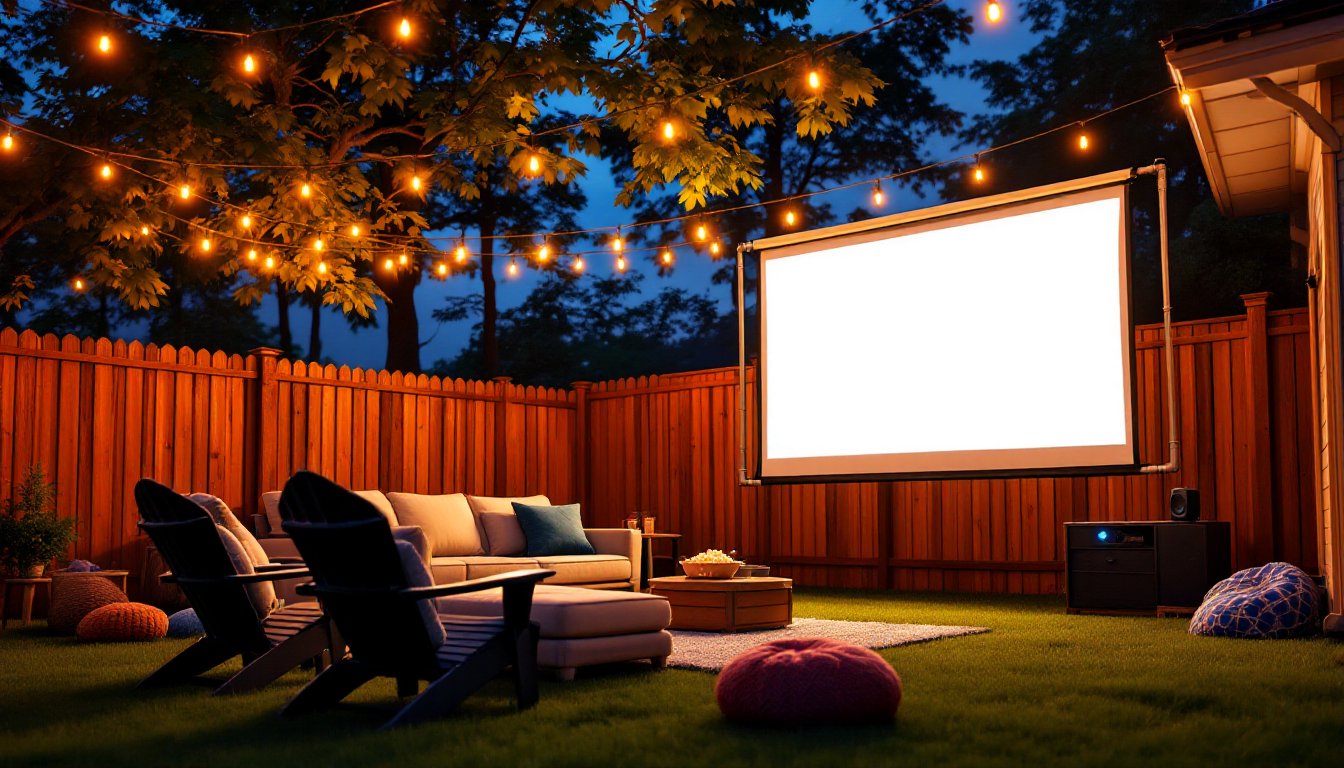
Layer in lighting: string lights overhead (use 14- or 16-gauge wire for longer runs to prevent voltage drop), LED path lights along walkways, and low-voltage landscape spotlights on trees or architectural features. Most low-voltage systems run on a 12V transformer: kits are DIY-friendly and don’t require an electrician.
Consider adding a pergola or pavilion over the seating area for shade and structure. A simple 10×12-foot pergola can be built in a weekend with basic carpentry skills. Use 4×4 posts, 2×6 beams, and 2×4 rafters. Sink posts 2–3 feet deep in concrete footings for stability.
Add a Pool, Hot Tub, or Water Feature as a Focal Point
Water features bring movement, sound, and a resort vibe to large yards, but they’re also the most complex (and expensive) upgrades.
In-ground pools require professional excavation, plumbing, electrical, and often structural engineering. Concrete (gunite) pools are fully customizable but run $50,000–$100,000+. Fiberglass shells install faster and cost $40,000–$70,000. Vinyl-liner pools are the budget option at $25,000–$50,000 but need liner replacement every 7–10 years. All pool builds require permits and inspections.
Above-ground pools are a fraction of the cost ($2,000–$10,000) and can be DIY-installed, but they lack the visual integration of in-ground designs. Decking around an above-ground pool makes it feel more intentional: use pressure-treated lumber or composite decking.
Hot tubs (110V plug-and-play or 220V hardwired) need a level, reinforced pad, either a 4-inch concrete slab or a compacted gravel base topped with pavers. A filled 6-person spa weighs 3,000–4,000 pounds: the pad must support the load without settling. Electrical hookups for 220V models require a licensed electrician and a dedicated GFCI breaker.
Water features like ponds, fountains, or waterfalls add ambiance without the maintenance of a pool. A simple recirculating fountain can be DIY’d with a submersible pump (120V GFCI outlet required), a reservoir (preformed liner or buried basin), and stacked stone or ceramic. Pumps are rated in gallons per hour (GPH): a small fountain needs 50–200 GPH, larger waterfalls need 1,000+ GPH.
Ponds need a flexible rubber liner (EPDM) or preformed shell, a pump, and filtration if stocking fish. Depth matters: goldfish need at least 18–24 inches to overwinter in cold climates: koi need 3+ feet. For inspiration on integrating water features into broader landscaping plans, research shows strategic placement near seating or pathways maximizes visual impact.
Incorporate Gardens, Greenery, and Natural Landscaping
Large yards offer room for ambitious planting schemes, from formal borders to edible gardens to native meadows.
Raised beds simplify vegetable gardening and improve drainage. Standard beds are 4 feet wide (easy to reach the center from either side) and 8–12 feet long. Use 2×10 or 2×12 lumber (untreated cedar or redwood, or composite material) and corner brackets for quick assembly. Fill with a mix of topsoil, compost, and peat moss or coco coir.
Perennial borders add color without annual replanting. Choose plants suited to the local USDA hardiness zone and sun exposure. Group in odd numbers (3, 5, 7) for a natural look, and layer by height, short in front, tall in back.
Native plantings reduce water use and attract pollinators. Research local native plant societies for species recommendations. Wildflower meadows are low-maintenance once established: they need 1–2 mowings per year (late fall or early spring) to prevent woody growth.
Trees provide shade, privacy, and vertical scale. Fast-growing options like hybrid poplars or willows add 5–8 feet per year but have aggressive roots. For long-term value, choose oaks, maples, or native conifers. Plant trees at least 15–20 feet from structures to avoid root/foundation conflicts.
Hedges and privacy screens define boundaries without solid fencing. Evergreens like arborvitae, holly, or boxwood stay green year-round. Space plants according to mature width (typically 3–5 feet apart for a continuous screen).
Mulch beds annually with 2–3 inches of shredded bark or wood chips to suppress weeds and retain moisture. Avoid piling mulch against tree trunks (causes rot): leave a 2-inch gap. Homeowners interested in creative planter arrangements can extend garden zones with containers on patios or decks.
Install Play Areas, Sports Courts, or Hobby Spaces
Families with kids or active hobbies can dedicate zones to play and recreation without sacrificing the rest of the yard.
Play structures range from basic swing sets ($300–$1,000) to elaborate fort-and-slide combos ($3,000+). Anchor posts in concrete for stability, and install 12 inches of shock-absorbing mulch, rubber tiles, or pea gravel underneath. The fall zone should extend 6 feet in all directions from the structure.
DIY builds using pressure-treated 4×4 posts and 2×6 framing are possible with basic carpentry skills. Plans are widely available online. Swing hangers and climbing holds can be sourced from playground supply retailers. For DIY guidance, see resources on building backyard playgrounds.
Sports courts, basketball, pickleball, or bocce, need level surfaces. Asphalt or concrete pads provide the best bounce for basketball: pour a 4-inch slab over compacted gravel. A half-court (30×50 feet) is enough for shooting practice: a full court (50×94 feet) is overkill for most residential yards.
Pickleball courts measure 20×44 feet and can be surfaced with modular tiles or poured acrylic. Striping tape or stenciled paint marks boundaries. For something simpler, a crushed stone bocce court (10×60 feet) is inexpensive and low-tech.
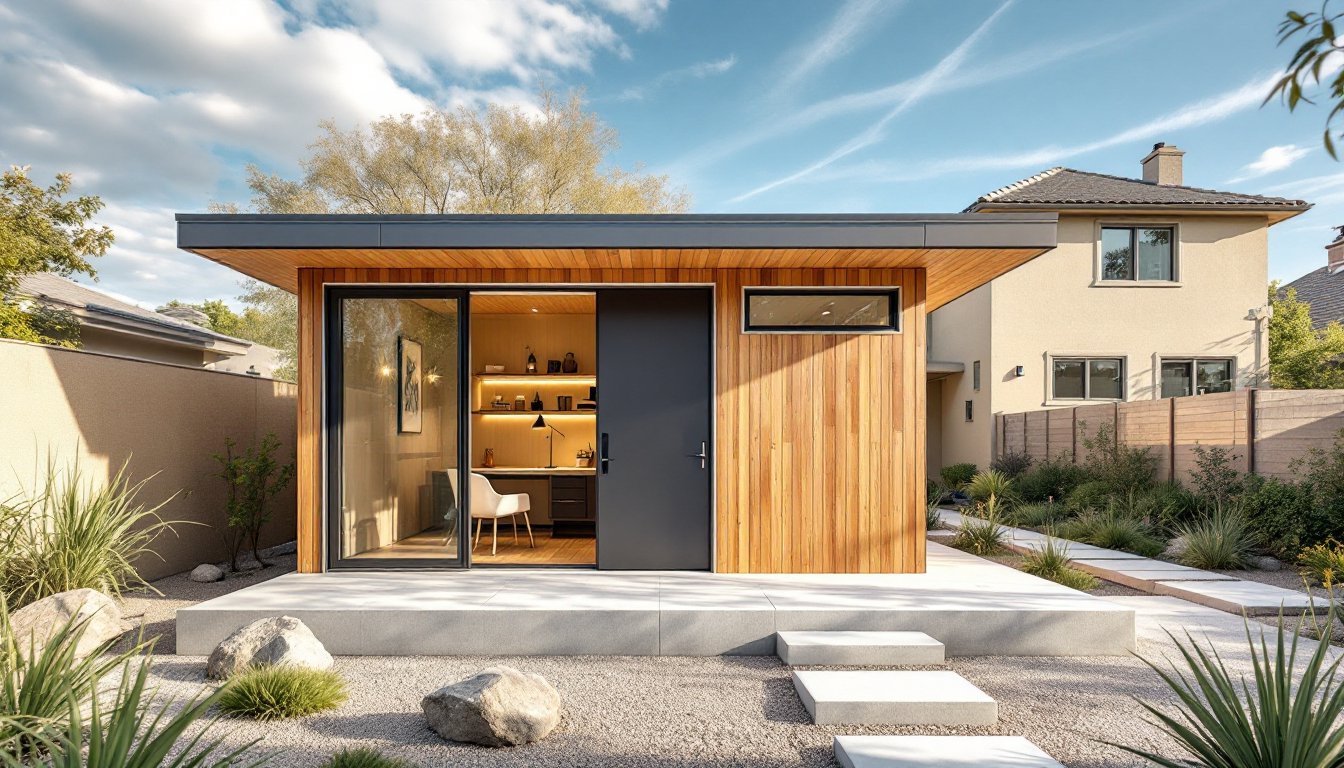
Hobby spaces like woodworking sheds, pottery studios, or greenhouse setups fit naturally in large yards. Sheds larger than 120 square feet typically require a building permit. Pour a concrete slab or lay a gravel pad with landscape fabric for the foundation. Run electrical if power tools are involved: this requires a permit and licensed electrician in most areas.
Greenhouses extend growing seasons. DIY kits (aluminum frame, polycarbonate panels) start around $500 for a 6×8-foot model. Site them with southern exposure for maximum light. Vent windows or exhaust fans prevent overheating in summer. Homeowners seeking budget-conscious upgrades can explore DIY backyard projects that maximize impact without major expense.
Conclusion
Large yards reward intentional design. By carving out distinct zones, dining, lounging, gardening, play, homeowners create spaces that feel purposeful rather than empty. Start with one or two high-impact projects, then expand over time. Prioritize functionality, prep work, and code compliance, and the investment pays off in usability and curb appeal.