Table of Contents
ToggleA casita can be the single smartest addition to a property, if it’s done right. More homeowners are looking beyond the main house and turning underused yard space into standalone structures that solve real problems: overflow guests, remote work needs, or hobby space that doesn’t clutter the garage. Unlike a deck or patio, a casita adds enclosed, climate-controlled square footage that can generate rental income, increase property value, or simply give everyone in the household room to breathe. This guide breaks down the most practical casita configurations, walks through the design and structural considerations builders can’t skip, and covers budget-conscious routes for DIYers willing to swing a hammer.
Key Takeaways
- A well-built backyard casita adds 20–30% to resale value and solves space issues without the cost of a full home addition.
- Successful casita designs require attention to foundation, framing, utilities (electrical, plumbing, HVAC), and local building codes—permits are essential and shouldn’t be skipped.
- Guest suite casitas need at least 300 square feet with separate sleeping, bathroom, and storage areas; home office casitas work in 100–200 square feet with natural light and soundproofing.
- Prefab casita kits ($10,000–$40,000) and shed conversions ($6,000–$15,000 total) offer budget-friendly alternatives to full custom builds, especially for DIYers.
- Climate control with a ductless mini-split ($1,500–$3,000) is the most practical option for casitas, providing heating and cooling without ductwork.
- Saving costs through DIY finishes, salvaged materials, and phased construction keeps projects manageable while maintaining quality and compliance.
What Is a Backyard Casita and Why Add One?
A casita is a detached, self-contained structure in a backyard, typically 200 to 800 square feet, that functions as a guest house, studio, office, or rental unit. The term comes from Spanish for “little house,” and it’s gained traction in markets where accessory dwelling units (ADUs) are permitted.
Building codes define ADUs differently depending on the jurisdiction. Most require a separate entrance, basic utilities (electric, plumbing, HVAC), and compliance with local setback requirements (the minimum distance from property lines). Some cities cap casita size at 50% of the main dwelling’s square footage: others impose height limits to preserve neighborhood sightlines.
Why build one? Property value is the most measurable benefit. A well-built casita can add 20–30% to resale value in competitive markets. Beyond that, casitas solve space crunches without the cost and disruption of a full home addition. They’re also increasingly popular as short-term rental units in areas where zoning permits it.
Before breaking ground, check with the local building department for permit requirements. Most casitas need foundation, framing, electrical, and plumbing inspections. If the structure exceeds 120 square feet or includes permanent utilities, expect to pull permits. Skipping this step invites fines and complicates future sales.
Guest Suite Casita: Create a Welcoming Space for Visitors
A guest suite casita needs three things: a sleeping area, a bathroom, and enough storage that visitors don’t live out of a suitcase. Aim for at least 300 square feet to avoid a cramped feel. A queen bed, nightstand, and small closet fit comfortably in a 10×12-foot bedroom. Pair that with a 3/4 bath (shower, toilet, vanity) in a 5×8-foot footprint, and guests have true independence.
Plumbing is the expensive part. Running supply lines and a drain from the main house to the casita often requires trenching below the frost line (check local codes, typically 12 to 48 inches depending on climate). If the casita sits far from the house, budget for a longer run or consider a greywater system for the shower and sink, though potable supply still needs a code-compliant connection.
For electrical, plan on a sub-panel fed from the main service. A 60-amp sub-panel handles lighting, outlets, a minifridge, and a window AC unit or mini-split. Hire a licensed electrician if you’re not confident working with 240V feeds, this isn’t the place to learn on the job. The National Electrical Code (NEC) sets minimum outlet spacing and GFCI requirements for wet areas.
Climate control matters. A ductless mini-split is the go-to for casitas because it doesn’t require ductwork and offers both heating and cooling. Expect to spend $1,500–$3,000 installed for a 12,000 BTU unit, which comfortably conditions up to 500 square feet. If budget is tight, a good window unit and electric baseboard heaters can work, but comfort and efficiency take a hit.
Home Office Casita: Design Your Perfect Work-from-Home Sanctuary
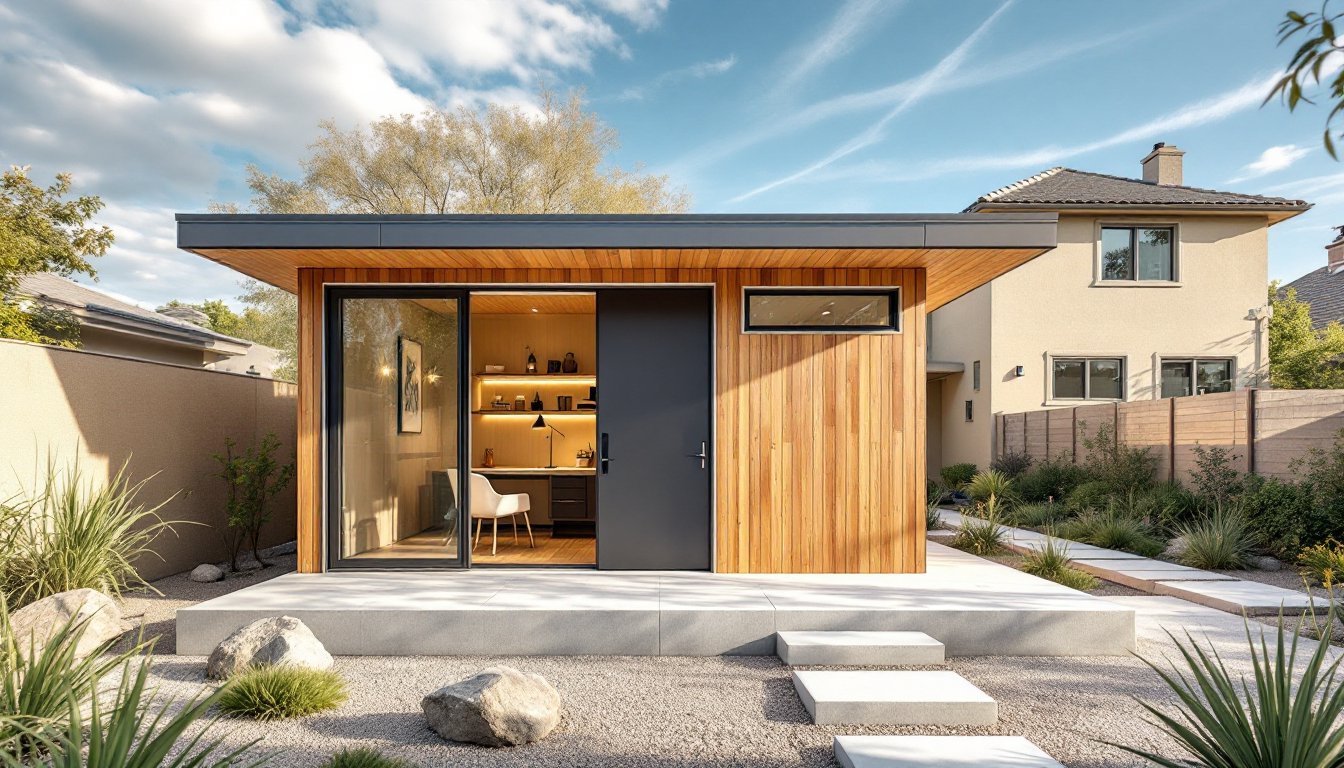
A home office casita eliminates the biggest complaint about remote work: blurred boundaries. A separate structure means work stays outside the main house, which helps with focus and resale appeal (home offices don’t age well in bedrooms).
Size depends on the work. A solo desk setup fits in 100 square feet, but if there’s equipment, file storage, or client meetings, plan for 150–200. Natural light is non-negotiable, spec at least one window per wall, and consider adding a skylight if the roof pitch allows. Velux and similar brands make flashing kits that integrate with asphalt shingles or standing seam metal.
Insulation and soundproofing separate a functional office from a glorified shed. Use R-19 fiberglass batts in 2×6 walls and R-38 in the ceiling (or R-49 in colder zones). For sound control, add a layer of 5/8-inch Type X drywall on resilient channels. This setup dampens noise from lawn mowers, leaf blowers, and the neighbor’s dog.
Electrical needs scale with the gear. Budget for at least four duplex outlets per wall, plus dedicated 20-amp circuits for high-draw equipment like laser printers or charging stations. Ethernet is still more reliable than Wi-Fi for video calls: run Cat6 cable in conduit from the main router or install a mesh node with wired backhaul.
Depending on location, some homeowners skip plumbing entirely to save cost and sidestep more invasive permitting. If a bathroom is essential, a composting toilet avoids the septic connection, though local codes vary on acceptance. Always confirm with the building department before ordering materials, as options for budget-conscious outdoor projects can influence both compliance and cost.
Entertainment and Hobby Space Casita Ideas
Hobby casitas give messy, noisy, or space-intensive activities a dedicated home. Think woodshop, art studio, music practice room, yoga studio, or home gym. The structure is the same: the interior layout and utilities shift based on use.
A woodshop casita needs robust electrical and dust control. Plan for 240V circuits for table saws and planers, plus a dedicated 20-amp circuit for a shop vacuum or dust collector. Ventilation is critical, install an exhaust fan (minimum 200 CFM) to pull sawdust and fumes outside. Windows should open, and consider adding a roll-up door for moving sheet goods and finished projects.
For an art studio, prioritize north-facing windows for consistent, indirect light. Add a utility sink with a sediment trap if working with clay or printmaking inks to protect the drain. Epoxy flooring is a smart upgrade, it’s chemical-resistant, easy to clean, and holds up to spills better than sealed concrete.
A music or practice room demands soundproofing. Beyond the insulation and resilient drywall channels mentioned earlier, seal all electrical box penetrations with acoustic putty and use solid-core doors with weatherstripping. Treat the interior with acoustic panels or DIY fabric-wrapped fiberglass to control reflections.
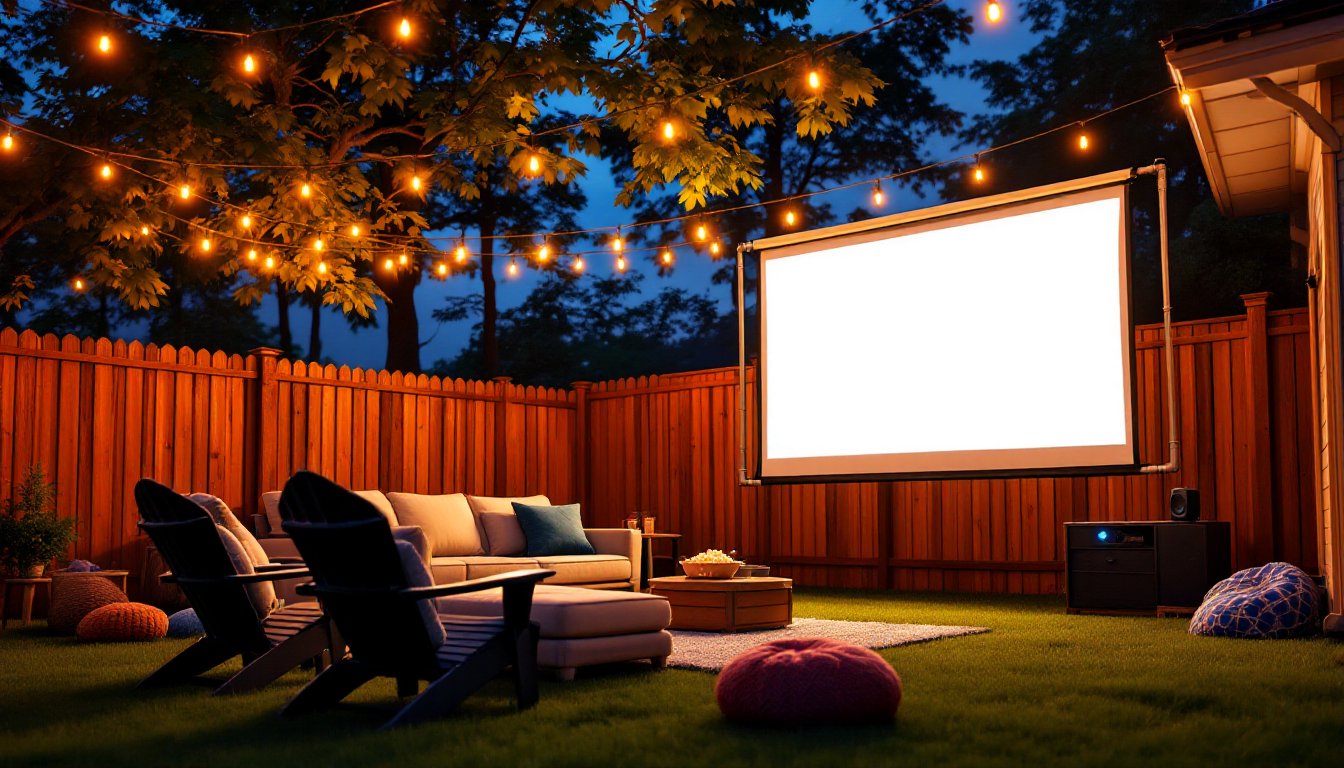
If the casita will double as a backyard entertaining hub, add a wet bar or kitchenette. A 120V undercounter fridge, small sink, and counter space fit in a 4-foot run. Some builders turn hobby spaces into extensions of a backyard tiki bar theme for parties, blending storage with style.
Essential Design Elements for Your Backyard Casita
Good casita design starts with the foundation. A poured concrete slab is the most common choice, typically 4 inches thick with #3 rebar on 18-inch centers and a 6-mil vapor barrier underneath. Budget $4–$7 per square foot for materials and labor. In areas with expansive soil or high frost lines, a pier-and-beam foundation may be required: consult a structural engineer if the lot slopes more than a few degrees.
Framing follows standard residential practices. Walls are typically 2×4 or 2×6 studs on 16-inch centers. Use 2×6 if the climate demands thicker insulation or if the span between corners exceeds 10 feet. Roof framing depends on the design, stick-framing with 2×6 or 2×8 rafters works for simple gable roofs, while trusses are more cost-effective for spans over 16 feet and allow for higher ceilings.
Roofing material impacts both cost and longevity. Asphalt shingles (30-year architectural grade) run $1–$2 per square foot installed and match most main houses. Standing seam metal costs $7–$12 per square foot but lasts 50+ years and pairs well with modern designs. For flat or low-slope roofs, TPO or EPDM membrane is the standard.
Windows and doors should match or complement the main house. Vinyl or fiberglass windows offer the best balance of cost and performance: aluminum frames work for modern aesthetics but conduct heat. Size windows for cross-ventilation, casement or awning styles catch breezes better than sliders. Entry doors should be solid-core or fiberglass with weatherstripping and a quality deadbolt.
Siding choices range from fiber cement (Hardie or similar, $2–$4 per square foot installed) to LP SmartSide ($1.50–$3.50) to board-and-batten or vertical T1-11 plywood for a more rustic look. Stucco is common in the Southwest and runs $6–$9 per square foot. Match or coordinate with the main dwelling unless the goal is a distinct, statement outdoor structure.
Many casitas also benefit from design inspiration found online that showcases creative uses of small footprints and efficient layouts.
Budget-Friendly Casita Options and DIY Approaches
Not every casita requires a $50,000 budget and a general contractor. Prefab kits and shed-to-casita conversions offer middle-ground solutions for DIYers with moderate skills.
Prefab kits arrive with pre-cut framing, windows, doors, and instructions. Companies like Studio Shed, Tuff Shed, and others offer models ranging from $10,000 to $40,000 depending on size and finish level. Most kits assume the buyer handles the foundation, electrical, and plumbing hookups. Expect to add $5,000–$15,000 for site prep, utilities, and finishing if doing the work yourself, or double that with hired labor.
Shed conversions start with a bare structure (8×12, 10×16, etc.) and add insulation, interior walls, flooring, electric, and finish details. A quality storage shed from Home Depot or Lowe’s runs $3,000–$7,000. Budget another $3,000–$8,000 for upgrades: spray foam or batt insulation, tongue-and-groove pine or drywall for walls, luxury vinyl plank (LVP) or engineered wood for flooring, and basic electrical with a sub-panel. Many homeowners use small-space strategies to maximize function in tight quarters.
Tools needed for a DIY casita build include a circular saw or miter saw, cordless drill/driver, framing nailer (rent or buy used), 4-foot level, chalk line, and basic hand tools. Safety gear is non-negotiable: safety glasses, ear protection, work gloves, and a dust mask or respirator when cutting treated lumber or working with insulation.
Cost-saving tips that don’t compromise quality:
- Salvage or surplus materials: Habitat for Humanity ReStores and Craigslist often have windows, doors, and cabinetry at 50–70% off retail.
- DIY finishes: Paint, trim, and flooring installation are beginner-friendly and save $2,000–$5,000 in labor.
- Simplified plumbing: If code allows, skip the full bath and add a half-bath or outdoor shower instead. This cuts trenching and fixture costs significantly.
- Delay non-essentials: Install basic electric and insulation first, then add mini-split HVAC, interior finishes, and built-ins over time as budget allows.
Permits still apply to budget builds. Don’t skip inspections, unpermitted work can force costly teardowns or block refinancing and resale. Resources like Country Living often highlight DIY-friendly projects that balance cost and quality.
Conclusion
A backyard casita isn’t just extra square footage, it’s flexibility. Whether it’s hosting guests without converting the kids’ rooms, creating a workspace that actually supports focus, or finally having room for hobbies that don’t fit in the garage, the right casita setup delivers. Start with a clear use case, get permits squared away early, and build in phases if budget dictates. Done right, it’s an investment that pays back in function, property value, and breathing room.