Table of Contents
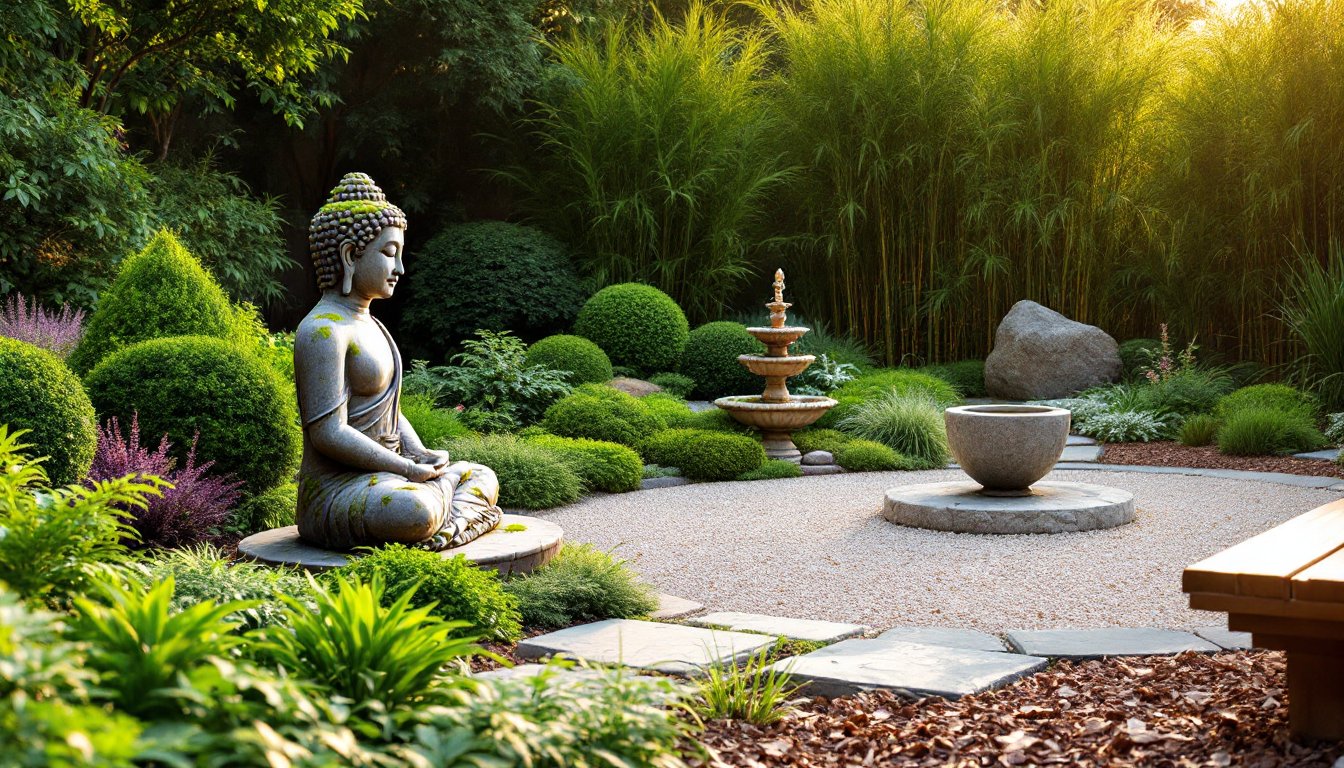
ToggleA backyard Buddha garden creates more than decorative appeal, it establishes a dedicated zone for contemplation and respite from daily chaos. Unlike generic landscape features, these spaces blend deliberate design elements with symbolic meaning, resulting in outdoor areas that serve both aesthetic and functional purposes. Whether working with a compact corner or a sprawling yard, implementing Buddha garden concepts requires thoughtful material selection, spatial planning, and plant choices that reinforce the intended atmosphere. This guide covers the practical steps for designing and building a backyard Buddha garden that balances visual interest with purposeful calm.
Key Takeaways
- A backyard Buddha garden serves both aesthetic and functional purposes, creating a dedicated zone for contemplation by blending design elements with meaningful symbolism.
- Statue selection is critical—choose materials (resin, stone, or bronze) and sizes (12–36 inches for most spaces) based on durability, weight stability, and garden proportion.
- Define the meditation zone with gravel paths or flagstone, position functional seating 6–8 feet from the statue, and add privacy screening with bamboo or evergreens to enhance usability.
- Water features like recirculating fountains and small ponds add sensory appeal but require regular maintenance and proper winterization in cold climates.
- Select plants with restraint—prioritize evergreens, ornamental grasses, and a white-green-purple color palette to maintain serenity and avoid visual tension.
- Low-voltage LED landscape lighting dramatically enhances nighttime appeal by uplighting the Buddha statue, illuminating pathways, and using warm tones (2700–3000K) to create a restful atmosphere.
Choosing the Perfect Buddha Statue for Your Garden
Statue selection sets the foundation for the entire design. Materials range from cast resin (lightweight, weather-resistant, often under $100) to natural stone (durable, heavier, $200–$1,000+) and bronze (premium, develops patina, $500+). Consider the statue’s weight and base stability, concrete or stone versions require level ground or a compacted gravel pad at minimum 4 inches deep to prevent settling or tipping.
Size matters. A 12–18 inch statue suits small garden nooks or planter groupings. For focal points in larger yards, 24–36 inch statues provide better proportion against shrubs and hardscape. Oversized statues (48+ inches) command attention but need adequate clearance, plan for at least 3 feet of open space around them to avoid a crowded look.
Posture and symbolism differ. The seated meditation pose (legs crossed, hands resting) emphasizes stillness. The reclining Buddha represents rest and final enlightenment. The standing Buddha with raised hand symbolizes protection. Choose a pose that aligns with the garden’s purpose, whether it’s active meditation or passive visual calm.
Weather resistance is non-negotiable. Resin statues handle freeze-thaw cycles better than terracotta, which can crack. Stone and concrete statues develop moss and lichen over time, this patina adds character but may require periodic cleaning with a stiff brush and water. Bronze statues oxidize naturally: apply a clear wax sealant if maintaining the original finish is preferred.
Creating a Dedicated Meditation Zone Around Your Buddha
Define the meditation area with clear boundaries. Gravel paths (crushed granite or pea gravel, 2–3 inches deep over landscape fabric) provide definition and good drainage. For a more permanent solution, lay flagstone pavers on a sand base, allow 1–2 inch gaps between stones and fill with pea gravel or ground cover like creeping thyme for a softer look.
Seating should be functional, not decorative. A simple teak bench (naturally rot-resistant) or flat stone slab works better than ornate furniture that distracts from the space‘s purpose. Position seating 6–8 feet from the Buddha statue to create a natural focal point without crowding. If building a stone seat, use flat fieldstone or bluestone at least 2 inches thick and set it on a gravel base for drainage.
Consider adding a small hardscape foundation beneath and around the statue. A circular or square platform of decomposed granite (compacts well, permeable) or brick pavers in a sand-set pattern elevates the statue slightly and prevents grass encroachment. This base should extend 12–18 inches beyond the statue’s footprint.
Privacy screening enhances usability. Bamboo (clumping varieties to avoid invasive spread), tall ornamental grasses, or evergreen shrubs like arborvitae create natural barriers without solid fencing. If installing lattice or wood screens, use pressure-treated lumber or naturally rot-resistant cedar, and set posts in concrete footings below frost line (check local frost depth: typically 12–36 inches depending on region).
Incorporating Water Features for Tranquility
Water movement adds auditory and visual interest. Recirculating fountains eliminate the need for permanent plumbing, most run on low-voltage pumps (20–50 watts) plugged into outdoor GFCI-protected outlets. Position the fountain on level ground: even a 1-inch slope can cause uneven water flow or tipping.
Material choice affects maintenance. Cast stone and ceramic fountains develop algae in sunlight, plan to add a fountain enzyme treatment monthly during warm months. Resin and fiberglass models resist algae better but may fade with UV exposure. Copper and bronze fountains age gracefully and naturally inhibit algae growth.
Size the fountain to the space. A 12–18 inch tabletop fountain suits intimate corners: 24–36 inch floor fountains work as secondary focal points. Larger tiered fountains (48+ inches) can compete with the Buddha statue, keep them off to the side rather than directly in the line of sight.
For a more permanent installation, consider a small pond with a submersible pump. Rigid preformed liners (HDPE plastic, various shapes and sizes) simplify installation compared to flexible EPDM rubber liners. Dig the hole 2 inches deeper and wider than the liner, backfill with sand for support, and edge with flat stones. Include a pump (sized to circulate the pond volume once per hour) and consider adding a biological filter if including fish.
Winterization is necessary in cold climates. Drain and store resin fountains indoors. For in-ground features, remove pumps before first freeze, and consider a pond heater or de-icer if keeping fish overwinter.
Selecting Plants That Complement Your Buddha Garden
Choose plants for texture, color restraint, and symbolic relevance. Lotus and water lilies (hardy varieties survive winters to USDA Zone 4) connect directly to Buddhist symbolism. Plant them in aquatic baskets with heavy clay soil, avoid potting mix, which floats, and submerge 6–18 inches depending on variety.
For surrounding beds, prioritize evergreens and plants with consistent form. Boxwood (Buxus species, Zones 5–9) provides year-round structure and tolerates shearing. Dwarf varieties like ‘Green Gem’ stay under 3 feet. Japanese holly (Ilex crenata, Zones 5–7) offers similar form with better heat tolerance in southern regions.
Ornamental grasses add movement without chaos. Hakone grass (Hakonechloa macra, Zones 5–9) forms cascading mounds in shade. Mondo grass (Ophiopogon japonicus, Zones 6–10) works as a low-maintenance groundcover in sun or part shade. Avoid aggressive spreaders like ribbon grass, which overwhelm other plantings.
Incorporate plants with varied foliage textures for visual depth. Pair fine-textured ferns (lady fern, Japanese painted fern) with bold hostas in shaded areas. In sun, contrast spiky yucca or iris foliage with rounded sedum or low-growing junipers.
Color palette matters. White, green, and soft purple maintain serenity. White hydrangeas (Hydrangea arborescens ‘Annabelle,’ Zones 3–9), white astilbe (Zones 4–9), and lavender (Zones 5–9) fit this scheme. Avoid hot colors, red, orange, bright yellow, that create visual tension.
Mulch beds with shredded hardwood or pine bark (2–3 inches deep) to suppress weeds and retain moisture. Avoid dyed mulches: natural tones blend better. Replenish mulch annually as it decomposes.
Adding Natural Elements and Decorative Accents
Integrate materials that reinforce the natural aesthetic. River rock (1–3 inch diameter) works as mulch alternative around the statue base or as dry creek bed elements. For a dry streambed, excavate 3–4 inches, line with landscape fabric, and layer rock in varying sizes, larger boulders at edges, smaller stones in the center.
Boulders add visual weight. A single fieldstone or granite boulder (200–500 lbs) can anchor a corner or create a natural seat. Most landscape suppliers deliver and place boulders with equipment, attempting to move them manually risks injury. Position boulders partially buried (one-third underground) for a natural, settled appearance.
Bamboo elements, fencing, screens, or water spouts, add architectural interest. Use clumping bamboo species (Fargesia, Bambusa) rather than running types that invade adjacent areas. For bamboo fencing, attach split bamboo panels to a pressure-treated wood frame with galvanized screws or zip ties.
Decorative stone lanterns (Japanese tōrō style) complement Buddha statues without competing. Place them along pathways or near water features. Cast concrete versions ($100–$300) age well and develop moss in damp climates, adding authenticity.
Limit tchotchkes. A Buddha garden loses impact when cluttered with wind chimes, spinners, and figurines. If adding elements, keep to one or two accent pieces maximum. A simple ceramic bowl for water or a single piece of driftwood maintains focus.
Consider adding a budget-friendly focal point like a handmade rock cairn or a repurposed stone basin for birdbath use. These DIY touches personalize the space without high material costs.
Lighting Ideas to Highlight Your Buddha Garden at Night
Low-voltage LED landscape lighting (12V systems) offers flexibility and safety compared to 120V line-voltage systems. A basic kit includes a transformer (typically 150–300 watts), wire, and 4–6 fixtures. Run wire along pathways, bury it 6 inches deep (local code may vary), and use waterproof wire connectors at each fixture.
Uplighting the Buddha statue creates dramatic shadows and emphasizes form. Position a spotlight 12–18 inches from the base, angled upward at 30–45 degrees. Use a fixture with a warm white LED (2700–3000K color temperature) to avoid harsh, bluish tones. Adjustable fixtures allow fine-tuning after installation.
Path lighting improves safety and guides visitors through the space. Space path lights 6–8 feet apart along walkways. Choose fixtures with downward-facing or shielded bulbs to minimize glare. Solar path lights work for low-traffic areas but often lack brightness, hardwired LED fixtures provide consistent illumination.
Water features benefit from submersible LED lights. Most fountain pumps include built-in lighting, but aftermarket submersible lights (5–10 watts) offer better control. Position lights behind or beneath falling water for best effect. Use waterproof connectors rated for submersion (IP68 rating) and GFCI-protected outlets.
Ambient lighting extends usability. String lights (Edison-style bulbs, 15–25 feet long) can drape between posts or along fence lines without overwhelming the space. Keep them perimeter-mounted rather than directly over the meditation zone to maintain a restful atmosphere.
Controls add convenience. A photocell timer automates lighting based on dusk/dawn, while a simple manual timer offers scheduling options. Smart controllers allow dimming and scene presets, but ensure they’re compatible with LED fixtures, older dimmers may cause flickering.
Landscape lighting typically requires a permit if hardwired to household electrical, especially if running new circuits. Low-voltage systems plugging into existing GFCI outlets usually don’t require permits, but verify with local building departments. All outdoor electrical work should follow NEC Article 410 (luminaires) and Article 680 if near water features.
Conclusion
Building a backyard Buddha garden requires deliberate material choices, spatial planning, and plant selection that supports the intended atmosphere. The result is a functional outdoor zone that balances aesthetic impact with practical usability. Whether focusing on seating areas or entertainment spaces, the principles of restrained design and purposeful element placement translate across various backyard projects.