Table of Contents
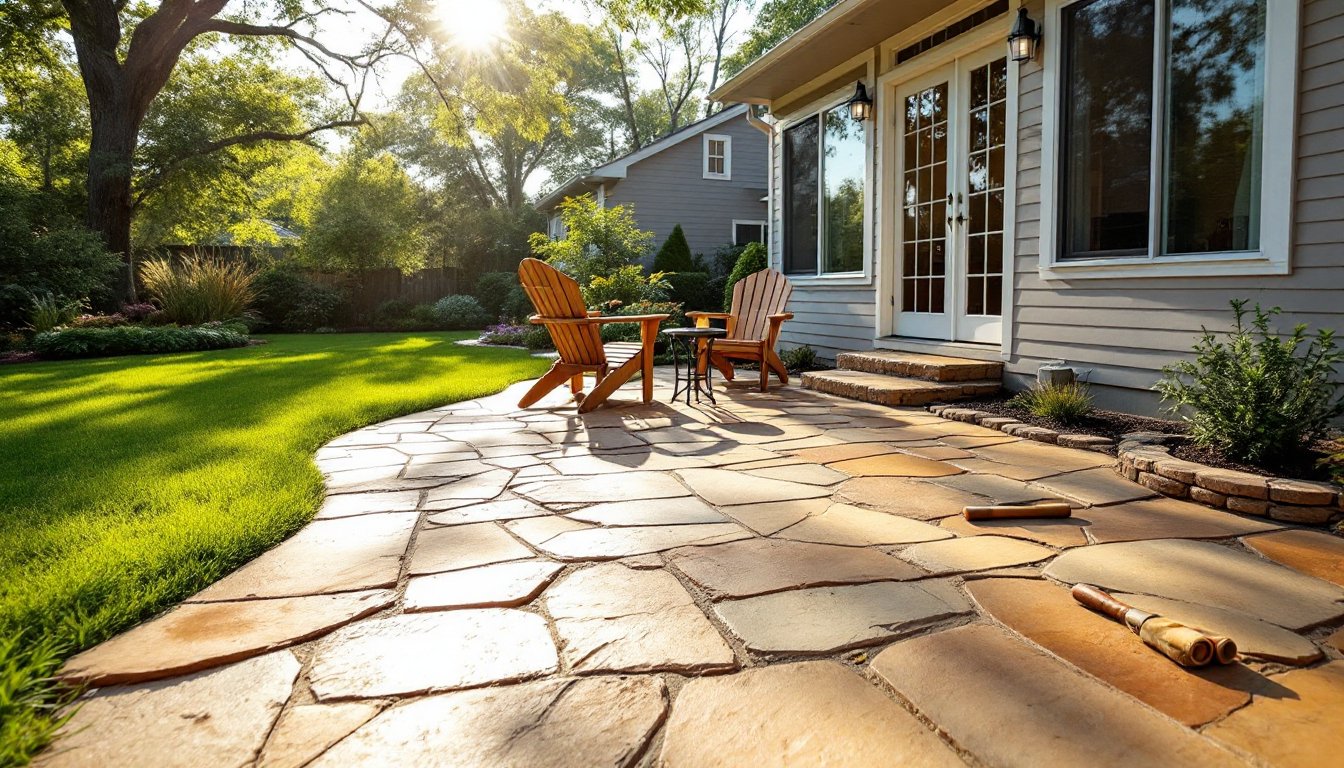
ToggleFlagstone patios deliver the kind of natural elegance that concrete pavers and poured slabs can’t touch. They age well, handle freeze-thaw cycles better than most hardscape materials, and offer design flexibility that ranges from cottage-garden casual to architectural modern. Whether you’re working with a flat suburban yard or a sloped lot, flagstone adapts. This guide walks through proven design ideas, material selection, and installation fundamentals so homeowners can plan a patio that looks intentional and lasts decades.
Key Takeaways
- Flagstone patio ideas range from classic irregular layouts to modern geometric patterns, offering versatile design options that suit both traditional and contemporary homes.
- Flagstone delivers superior durability, slip resistance, and heat management compared to concrete and other hardscape materials, making it ideal for backyard entertainment spaces.
- Choose between sandstone, limestone, slate, or quartzite based on climate, color preferences, and budget—with prices ranging from $4 to $20 per square foot depending on stone type and finish.
- A proper foundation with 4 inches of compacted gravel, 1 inch of bedding sand, and consistent slope prevents cracking and ensures decades of performance in your backyard flagstone patio.
- Most homeowners can install a 120-square-foot dry-laid flagstone patio in a weekend using basic tools and polymeric sand for joints, though permits may apply for larger installations or terraced designs.
Why Choose Flagstone for Your Backyard Patio
Flagstone refers to any sedimentary stone split into flat slabs, typically sandstone, limestone, slate, or quartzite. Each type brings distinct color palettes and textures.
Durability is the headline benefit. Most flagstone varieties withstand decades of foot traffic, UV exposure, and moisture cycling without cracking or fading. Sandstone and quartzite rate high on the Mohs hardness scale, making them resistant to surface wear. Slate resists water absorption, which matters in regions with hard winters.
Slip resistance improves safety around pools or shaded areas. Natural stone retains texture even when wet, unlike polished pavers. For outdoor entertaining spaces, that textured surface means fewer liability concerns and more confidence hosting gatherings in variable weather.
Heat management sets flagstone apart from darker materials. Light-colored sandstone and limestone reflect solar radiation instead of storing it, so the surface stays cooler underfoot during summer afternoons. That’s a real advantage if the patio sees barefoot traffic or if pets use the space.
Permeability matters for stormwater management and landscaping health. Dry-laid flagstone with sand or gravel joints allows rainwater to infiltrate rather than sheet off into storm drains. Some municipalities offer incentives for permeable hardscaping as part of green infrastructure goals.
Classic Flagstone Patio Design Ideas
Classic layouts lean on organic shapes and varied stone sizes. These designs suit traditional and cottage-style homes, and they’re forgiving during installation, irregular pieces mean less precision cutting.
Irregular Flagstone with Wide Grout Lines
This is the most common flagstone layout, and for good reason: it’s approachable for DIYers and delivers that timeless, garden-path aesthetic. Stones range from 12 inches to 36 inches across, with 1- to 3-inch joints filled with either polymeric sand, decomposed granite, or low-growing groundcovers like thyme or sedum.
Layout strategy: Start with the largest, flattest stones as anchor pieces near high-traffic zones (doorways, seating areas). Fill gaps with mid-size stones, then use smaller pieces to complete the puzzle. Aim for tight joints where possible: wide gaps look intentional only if they’re consistent.
Groundcover joints soften the look and reduce the need for weeding. Creeping thyme tolerates light foot traffic and releases fragrance when stepped on. But, it requires full sun and well-draining soil, so test a small section before planting the entire patio.
Color blending is crucial. Most suppliers sell flagstone by the pallet, and stone within a single pallet often varies in hue. Spread out pieces before installation to preview color distribution. Cluster similar tones or distribute them evenly, either approach works, but the choice should be intentional.
For budget-conscious projects, irregular flagstone inexpensive hardscape options can deliver high-end looks without the precision labor that geometric patterns demand.
Geometric Flagstone Patterns
Cut flagstone in uniform rectangles or squares creates clean, architectural lines. This approach pairs well with modern or mid-century homes where formality and repetition enhance the design.
Common patterns:
- Running bond: Rectangular stones laid in offset rows, like subway tile. Joints align on alternating courses.
- Ashlar: Random-sized rectangles arranged in a repeating pattern with staggered joints. Requires more cutting but avoids the monotony of running bond.
- Grid: Square-cut stones with continuous joint lines in both directions. Looks sharp but demands precise spacing and level substrate.
Cutting flagstone for geometric patterns requires a wet saw with a diamond blade. A 7-inch handheld angle grinder works for small cuts and edge trimming, but a 10-inch tile saw (rentable at most tool centers) speeds up production and improves accuracy. Always wear eye protection and a dust mask, silica dust from dry-cutting sandstone is a respiratory hazard.
Joint width should stay consistent: ⅜ inch to ½ inch for mortared joints, ½ inch to 1 inch for dry-laid sand joints. Use spacers during layout to maintain uniformity.
Creative Flagstone Patio Layouts for Modern Backyards
Modern design embraces contrast, scale, and negative space. Flagstone can serve minimalist aesthetics when combined with complementary materials.
Mixed-material borders: Frame a flagstone field with poured concrete, steel edging, or composite decking. The contrast highlights each material’s texture. For example, a 6-inch poured concrete border provides a crisp edge and simplifies mowing, while the flagstone interior adds warmth.
Floating steppers over groundcover: Instead of a continuous patio, space large flagstone pieces 18 to 24 inches apart over gravel, crushed stone, or low groundcover. This works well in smaller entertaining areas where a full patio would overwhelm the space. It also reduces material costs and speeds installation.
Curved or serpentine edges: Flagstone’s irregular shape lends itself to soft, flowing perimeters. Lay out a garden hose or rope to mark the curve, then select stones that follow the line naturally. This approach suits informal gardens and helps transition between lawn and planting beds.
Integrated planters and fire features: Leave gaps in the flagstone layout for built-in planters, fire pits, or water features. A 36-inch-diameter fire pit requires a non-combustible surround, typically 18 to 24 inches of flagstone or gravel extending from the fire ring. Check local fire codes: many jurisdictions regulate outdoor fire features and require clearance from structures and property lines.
Platforms on slopes: Flagstone terraces can create usable flat zones on sloped lots. Each terrace requires a retaining wall (stone, timber, or modular block) to hold back soil. Any retaining wall over 4 feet tall typically requires an engineer’s stamp and a building permit. For lower walls, install a gravel drainage layer behind the wall and use landscape fabric to prevent soil migration.
Design inspiration platforms like Houzz showcase thousands of flagstone patio photos filtered by style, region, and budget, helping homeowners visualize how materials perform in real-world settings.
Choosing the Right Flagstone Material and Color
Stone type dictates performance, cost, and appearance. Here’s how the common varieties stack up.
Sandstone is widely available and mid-priced. Colors range from buff and tan to red and brown. It’s porous, so sealing is recommended in freeze-thaw climates to prevent spalling (surface flaking). Expect to pay $4 to $8 per square foot for irregular pieces, more for cut stone.
Limestone offers neutral tones, cream, gray, and taupe. It’s denser than sandstone and holds up well in wet climates, but it can etch from acidic substances (citrus juice, vinegar). Limestone patios around grilling areas should be sealed annually.
Slate delivers dark, dramatic color: charcoal, deep purple, green-gray. It’s the most water-resistant option and works well in shaded areas prone to moss or algae. Slate tends to split into thinner pieces, so it’s often used as a veneer rather than a structural paver. Price: $6 to $12 per square foot.
Quartzite is the premium choice. Extremely hard, fade-resistant, and available in striking colors like silver, gold, and rust. It’s overkill for low-traffic patios but justified for driveways or commercial applications. Cost: $10 to $20 per square foot.
Thickness matters. Patio flagstone should be 1 to 2 inches thick. Thinner pieces crack under point loads: thicker slabs are harder to cut and level. For vehicular loads (driveway pavers), go with 2 to 3 inches.
Color selection should consider surroundings. Warm-toned sandstone complements brick and wood siding. Cool-toned slate pairs well with stucco and gray trim. If the home features multiple exterior colors, choose a stone that includes a hue present in the siding or trim, it ties the patio visually to the structure.
Samples are essential. Order a few pieces before committing to a pallet. View them wet and dry, in morning and afternoon light. Stone changes dramatically when wet, and most patios spend time damp.
DIY Flagstone Patio Installation Tips
Flagstone patios don’t require a mortar bed if the base is properly prepared. Dry-laid installations over compacted gravel are the most DIY-friendly approach.
Step 1: Excavate. Remove sod and soil to a depth that accommodates 4 inches of compacted gravel base, 1 inch of bedding sand, and the thickness of the stone (typically 1.5 inches). That’s roughly 6.5 to 7 inches total. Use a flat shovel and a wheelbarrow to haul spoil.
Step 2: Install edge restraint. Plastic paver edging or steel landscape edging prevents the base from migrating. Stake it every 12 inches.
Step 3: Lay and compact the base. Spread ¾-inch crushed stone (also called ¾-minus gravel) in 2-inch lifts. Compact each lift with a plate compactor (rentable for about $60/day). A hand tamper works for small patios under 100 square feet, but it’s slow and less effective.
Step 4: Add bedding sand. Spread 1 inch of coarse sand (concrete sand, not play sand) over the compacted gravel. Screed it level with a straight 2×4. This layer allows minor adjustments during stone placement.
Step 5: Lay the stone. Start at a corner or a high-traffic entry point. Set stones with minimal rocking. Tap them into place with a rubber mallet, don’t swing a hammer, which can crack edges. Check level frequently using a 4-foot spirit level. Aim for a ⅛-inch-per-foot slope away from structures to ensure drainage.
Step 6: Fill joints. Sweep polymeric sand into joints, mist lightly to activate the binders, then let cure per the manufacturer’s instructions (usually 24 to 48 hours). Polymeric sand resists washout and inhibits weed growth better than regular masonry sand.
Safety notes: Wear leather gloves, flagstone edges are sharp. Use knee pads during layout: you’ll spend hours kneeling. If cutting stone, wet-cut outdoors to control silica dust, and wear a respirator rated for silica (N95 masks are insufficient).
Permit check: Most jurisdictions don’t require permits for ground-level patios under a certain size (often 200 square feet), but rules vary. If the patio involves grading, retaining walls over 2 feet, or site drainage changes, call the building department before starting.
For a detailed walkthrough on building a budget-conscious flagstone terrace, this DIY flagstone guide breaks down material sourcing and step-by-step installation for around $500.
Tool alternatives: A circular saw with a diamond blade can substitute for a wet saw if you make shallow scoring cuts and snap the stone. It’s messier and slower but keeps tool rental costs down. For joint filling, a leaf blower (in reverse/vacuum mode) clears debris from joints more efficiently than a broom.
Whether you’re adding a backyard tiki bar surround or creating a dining zone, flagstone provides a durable, adaptable foundation. With proper base prep and realistic expectations about labor, most homeowners can complete a 120-square-foot patio in a long weekend.